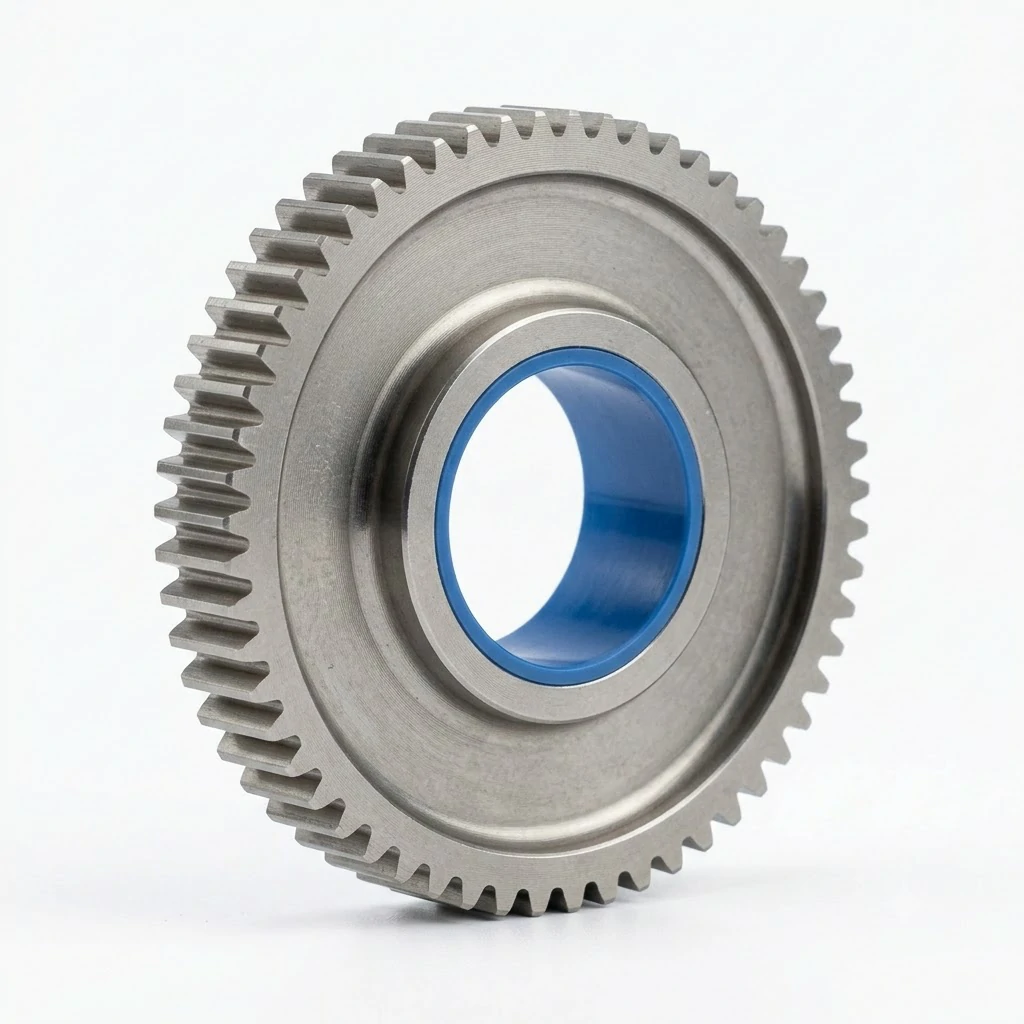
Enhance functionality and aesthetics. Strict masking and thickness control to maintain your ±0.005mm tight tolerances.


Achieve superior surface roughness (Ra) and sub-micron tolerances on the hardest metal alloys.
Explore Our Surface Finishing Capabilities
We offer a wide range of metal and plastic surface finishes to meet your mechanical, cosmetic, and environmental requirements.
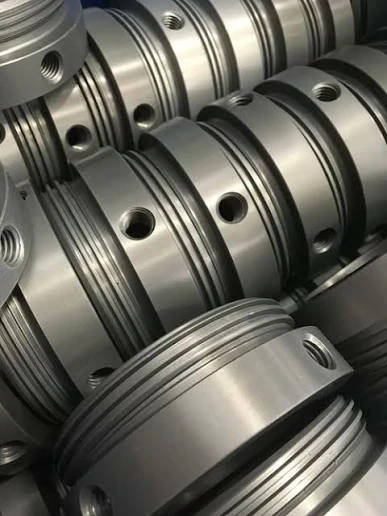
As Machined
Description: Standard finish with visible tool marks. No secondary processing applied.
Dimensional Impact: None (Retains original CNC tolerances).
Surface Roughness: Ra 3.2 μm (Ra 1.6 μm or better upon request).
Best for: All machinable metals and engineering plastics.
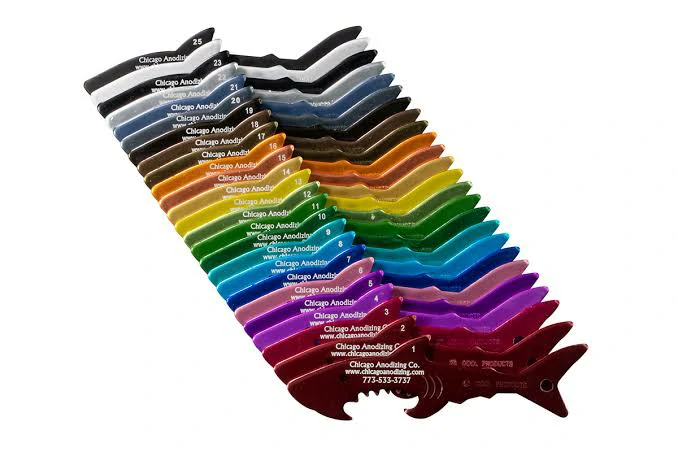
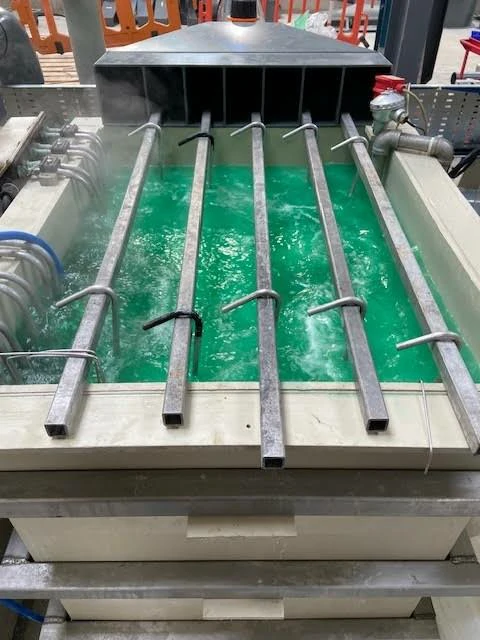
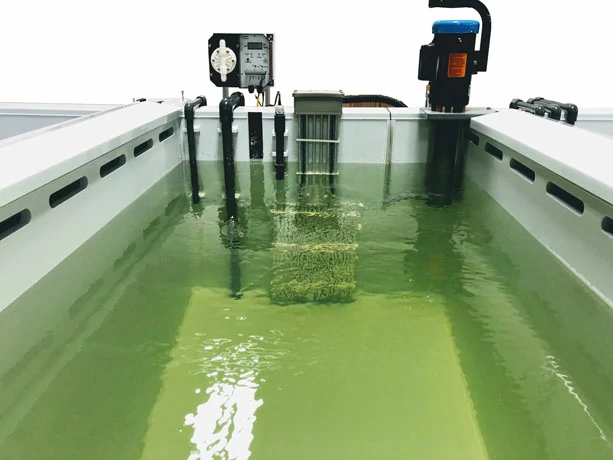
Type II Anodizing
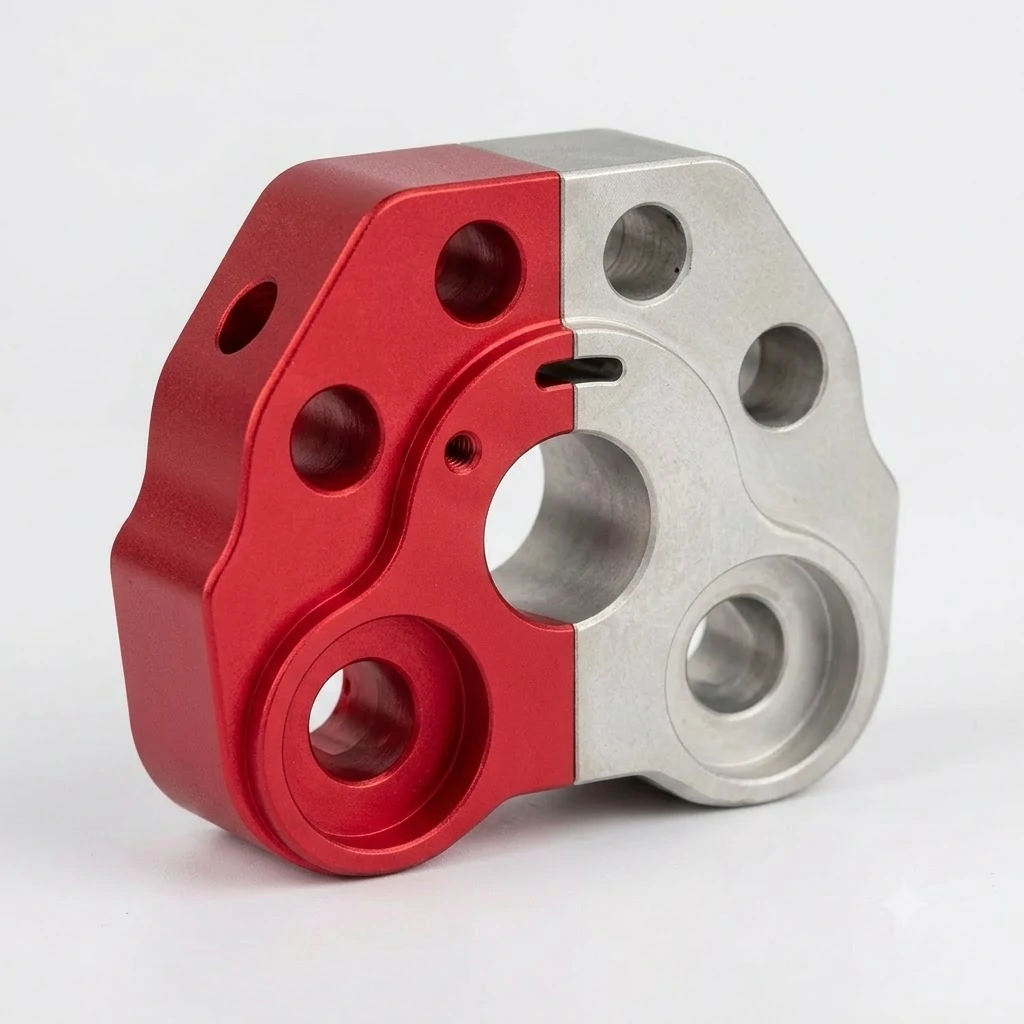
Description: Enhances corrosion resistance and allows for custom dye colors.
Thickness Added: 0.005mm – 0.025mm.
Specs: MIL-A-8625 Type II.
Best for: Aluminum components requiring aesthetic finishes.
Type III Hard Anodizing
Description: Provides extreme wear resistance and a highly durable, thick coating.
Thickness Added: 0.025mm – 0.050mm (Requires tolerance compensation).
Specs: MIL-A-8625 Type III.
Best for: Aluminum parts in high-friction environments.
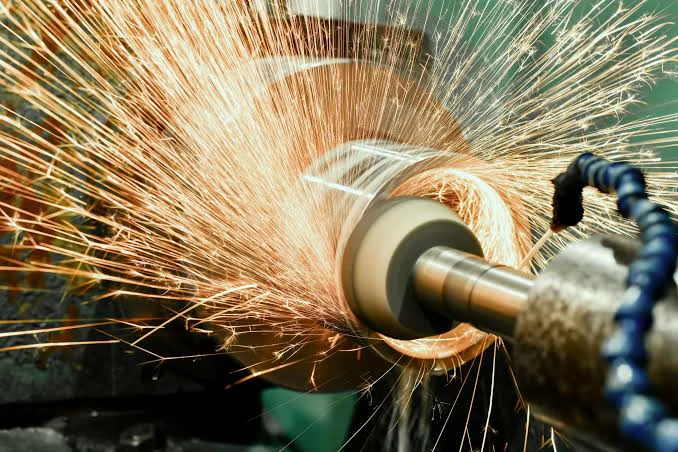
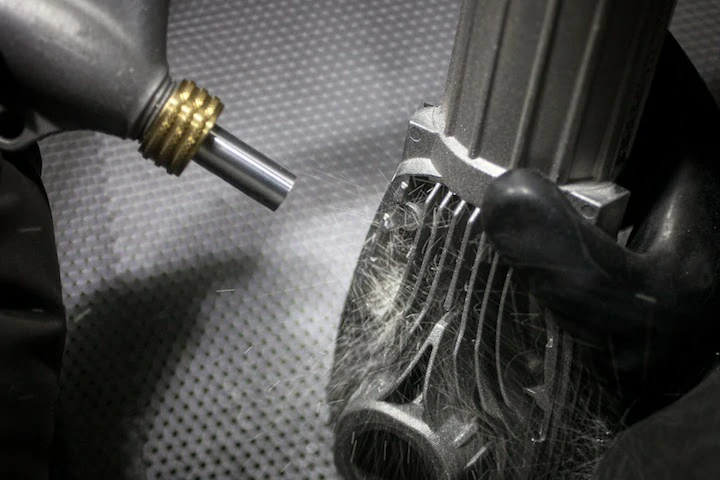
Bead Blasting
Description: Removes tool marks and provides a uniform, matte textured finish.
Dimensional Impact: Alters surface roughness; negligible material removal.
Media Options: Glass beads, ceramic, or steel grit available.
Best for: Aluminum, Stainless Steel, and Brass.
Passivation
Description: Chemical treatment that removes free iron to enhance natural corrosion resistance.
Dimensional Impact: None (Strictly preserves all tight tolerances).
Specs: ASTM A967 / AMS 2700.
Best for: Stainless Steel (304, 316, 17-4PH).
Electroless Nickel Plating
Description: Uniform coating offering excellent corrosion and wear resistance without edge buildup.
Thickness Added: 0.002mm – 0.025mm.
Specs: MIL-C-26074 / ASTM B733.
Best for: Carbon Steel, Aluminum, and Brass.
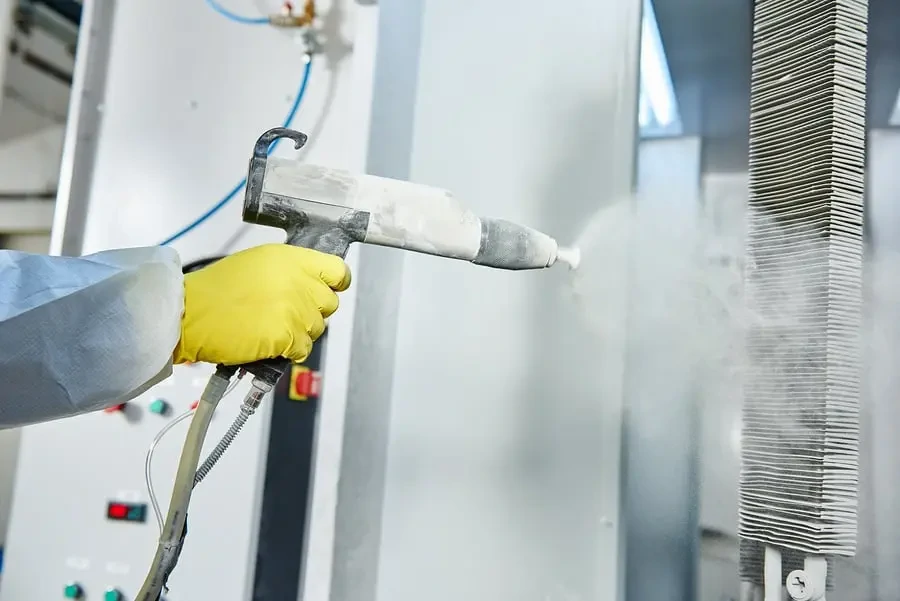
Powder Coating
Description: Dry powder application baked for a tough, wear-resistant, and highly durable finish.
Thickness Added: 0.050mm – 0.150mm (Custom masking required for tight tolerances).
Specs: Wide range of custom RAL colors available.
Best for: Steel, Aluminum, and large industrial enclosures.
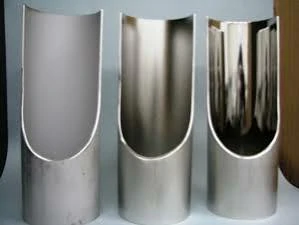
Polishing
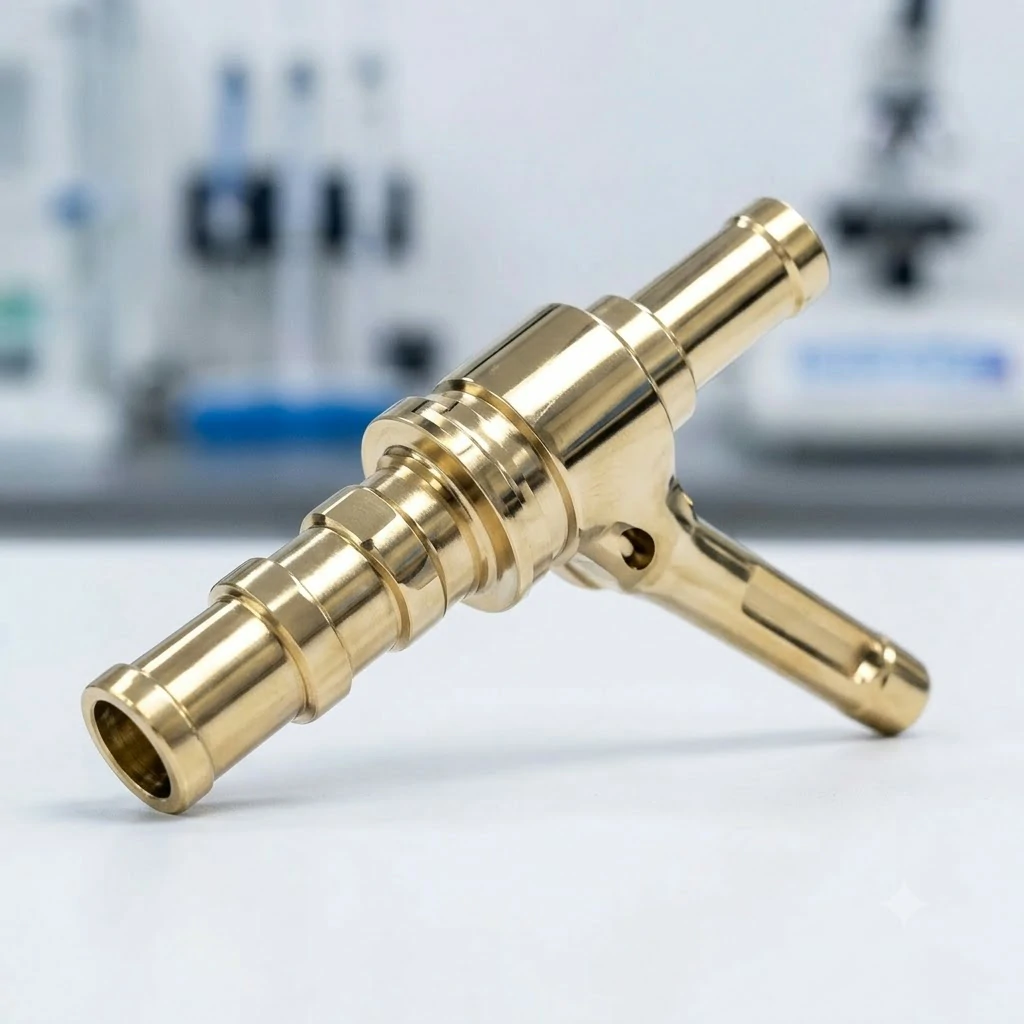
Description: Mechanical buffing to create a smooth, highly reflective, mirror-like finish.
Dimensional Impact: Removes 0.002mm to 0.010mm of surface material.
Finish Level: Up to Ra 0.1 μm (Mirror Finish).
Best for: Stainless Steel, Aluminum, and clear Plastics.
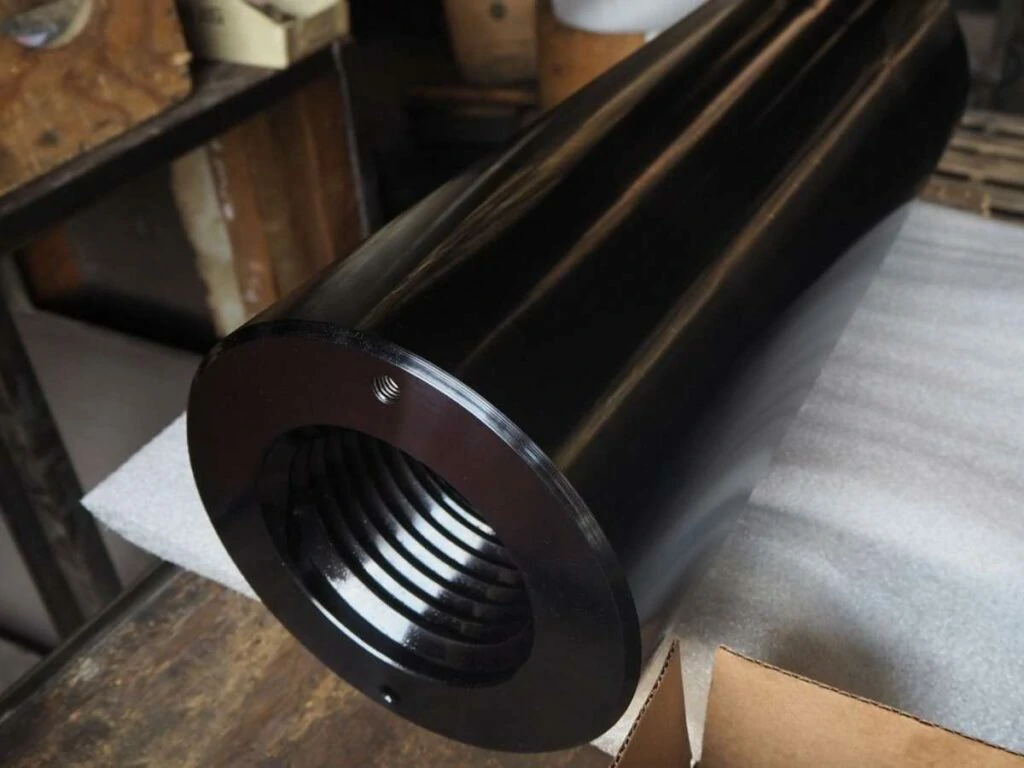
Black Oxide
Description: Chemical conversion coating that provides mild corrosion resistance and minimizes light reflection.
Thickness Added: < 0.001mm (Virtually zero dimensional change).
Specs: MIL-DTL-13924.
Best for: Carbon Steel and Iron components.
Chromate Conversion
Description: Excellent corrosion protection that retains electrical conductivity. Great primer base.
Thickness Added: < 0.001mm (Negligible).
Specs: MIL-DTL-5541 (Class 1A or Class 3).
Best for: Aluminum aerospace and electronic housing parts.
Zinc Plating
Description: Sacrificial barrier preservation that protects the underlying metal from rust.
Thickness Added: 0.005mm – 0.012mm.
Specs: ASTM B633.
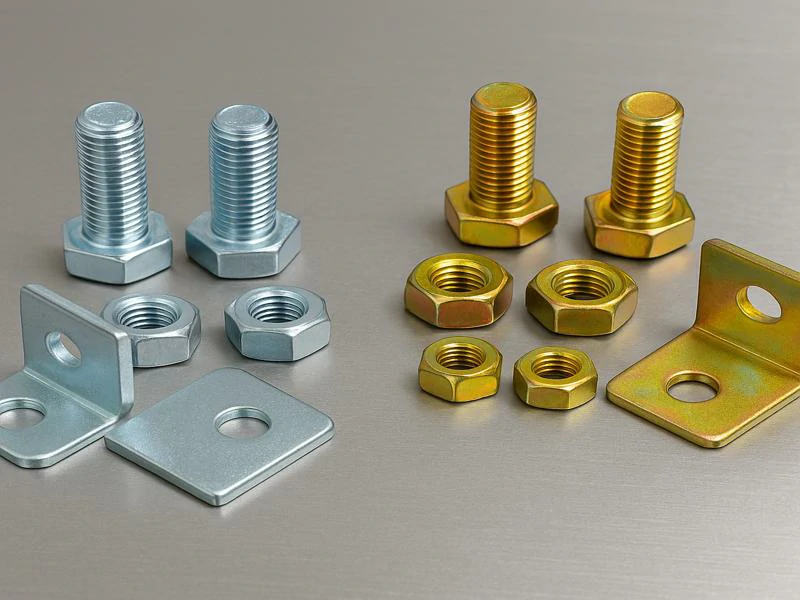
Best for: Carbon Steel hardware, brackets, and structural parts.
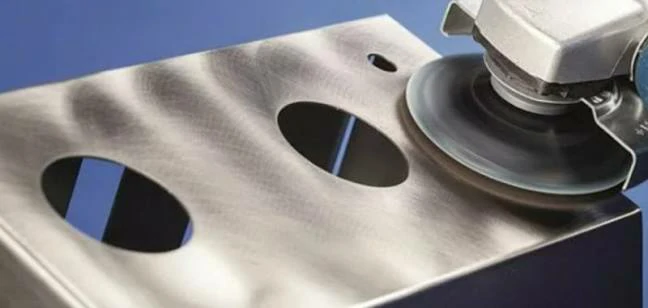
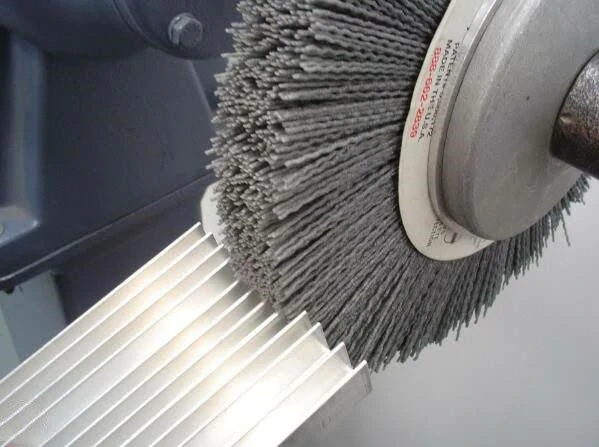
Brushing
Description: Creates a directional, satin finish with fine abrasive lines for a premium cosmetic look.
Dimensional Impact: Reduces surface thickness slightly, masks minor scratches.
Standard Level: Typically #4 finish.
Best for: Stainless Steel panels and Aluminum consumer electronic enclosures.
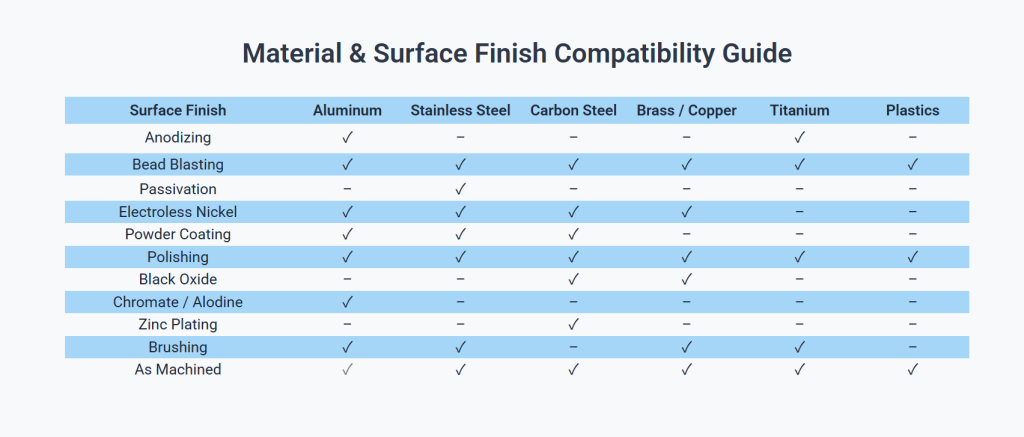
Material & Surface Finish Compatibility Guide
Surface Finish
Aluminum
Stainless Steel
Carbon Steel
Brass / Copper
Titanium
Plastics
Anodizing
✓
–
–
–
✓
–
Bead Blasting
✓
✓
✓
✓
✓
✓
Passivation
–
✓
–
–
–
–
Electroless Nickel
✓
✓
✓
✓
–
–
Powder Coating
✓
✓
✓
–
–
–
Polishing
✓
✓
✓
✓
✓
✓
Black Oxide
–
–
✓
✓
–
–
Chromate / Alodine
✓
–
–
–
–
–
Zinc Plating
–
–
✓
–
–
–
Brushing
✓
✓
–
✓
✓
–
As Machined
✓
✓
✓
✓
✓
✓
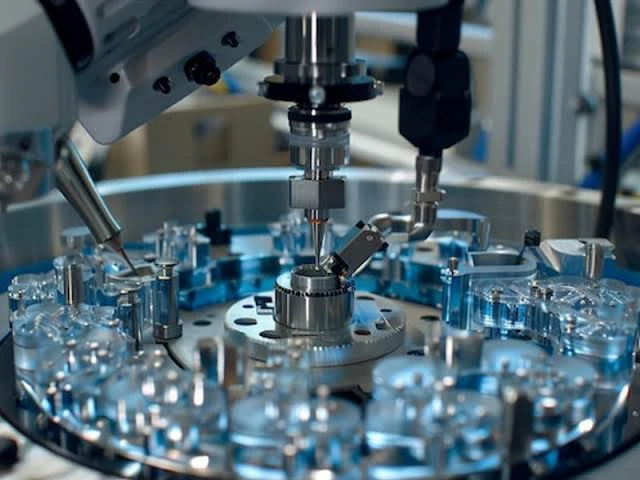
Strict Quality Control for Precision Finishes
Custom Masking & Plugging
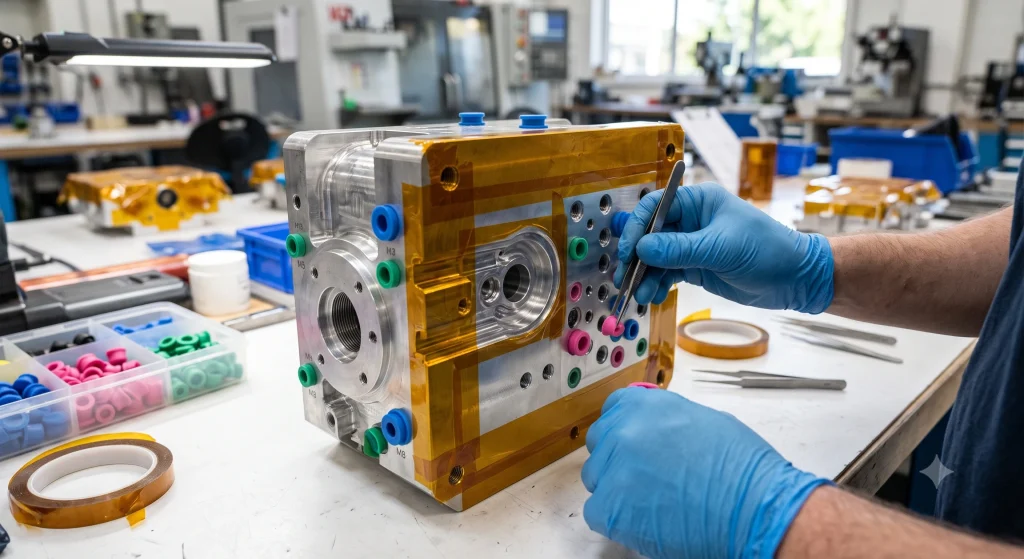
Targeted Protection: We utilize custom-cut masking tapes, silicone plugs, and custom jigs to strictly protect tapped holes, precision bores, and mating surfaces.
Process Compatibility: Safely applied before any painting, plating, or anodizing process.
Tolerance Guarantee: We leave nothing to chance. Your critical dimensions and ±0.005mm tolerances stay strictly intact.
Coating Thickness Measurement & Pre-machining Allowances
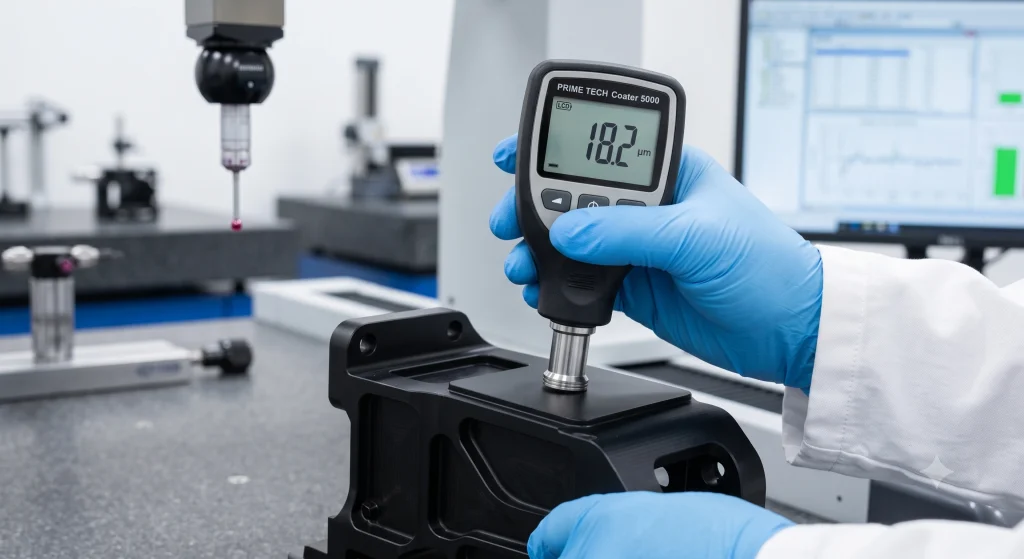
Proactive CAM Calculation: For thick finishes (e.g., Type III Hard Anodizing, Powder Coating), our engineers precisely calculate the required build-up before machining.
Dimensional Adjustment: Raw parts are machined slightly undersized or oversized to perfectly accommodate the final surface coating.
Rigorous Verification: Final dimensions are 100% verified using advanced CMM and Coating Thickness Gauges (XRF/Eddy Current) to guarantee compliance with your 2D drawings.
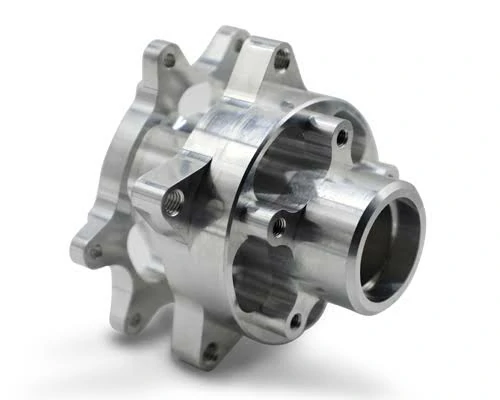
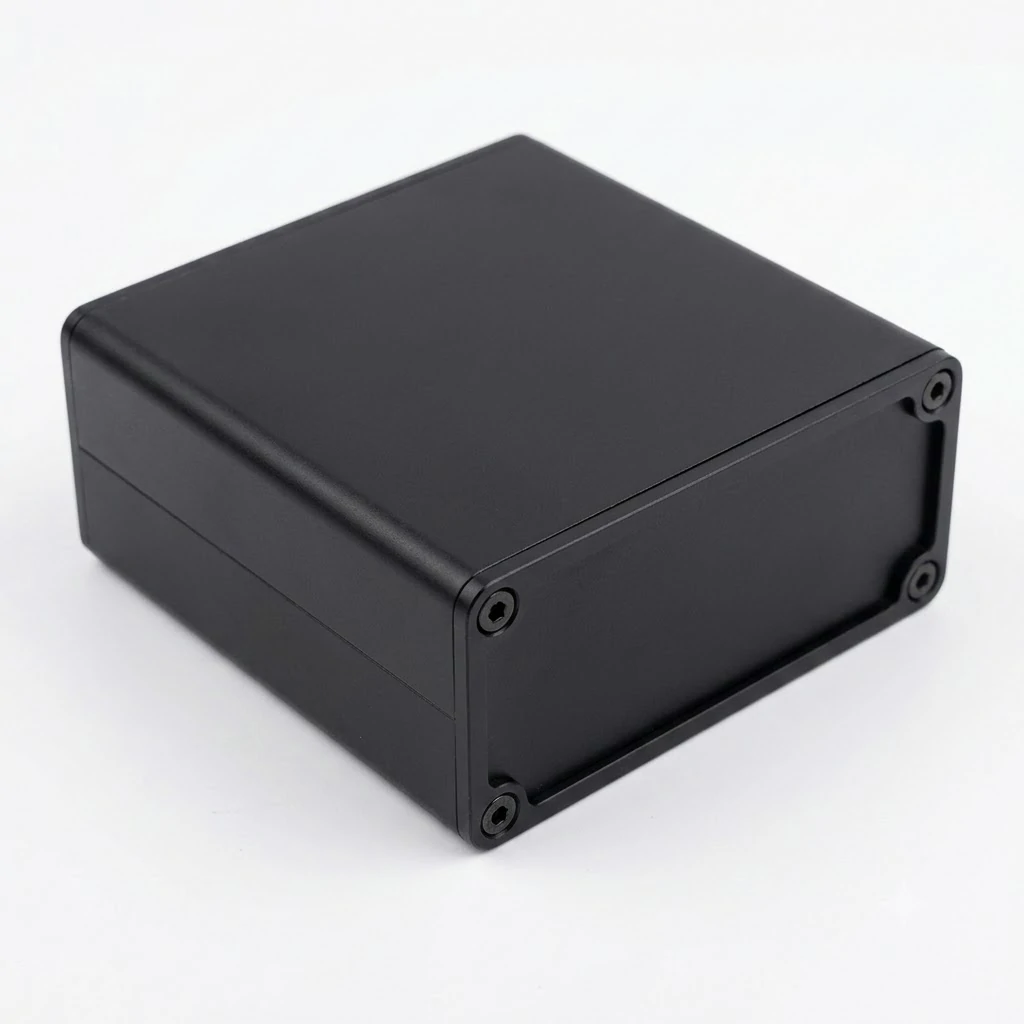
Examples of Our Surface Finished CNC Parts
Frequently Asked Questions
How does anodizing affect the tolerance of my CNC machined parts?
Standard Type II anodizing typically adds about 0.005mm to 0.012mm of thickness per surface, which rarely impacts standard tolerances. However, Type III Hard Anodizing can add up to 0.05mm. For tight tolerances, we either apply custom masking to critical areas (like threaded holes) or adjust the CNC machining dimensions beforehand to accommodate the coating build-up.
What is the standard surface roughness (Ra) for "As Machined" parts?
Our standard “As Machined” surface roughness is typically Ra 3.2 µm (125 µin). Upon request, we can easily achieve a finer Ra 1.6 µm (63 µin) or Ra 0.8 µm (32 µin) through precision finishing passes directly on the CNC machine, before any secondary treatments are applied.
Can you provide certificates of compliance (CoC) and material certs for surface finishes?
Absolutely. We are fully equipped to provide complete traceability for B2B procurement. We can supply Material Test Reports (MTRs), Certificates of Compliance (CoC) for both machining and surface finishes, as well as RoHS/REACH compliance documentation for processes like plating and anodizing upon request.
How do you handle internal threads (tapped holes) when applying thick coatings like powder coating or hard anodizing?
We use custom high-temperature silicone plugs to fully mask internal threads during powder coating and plating. For anodizing, if masking is not preferred, our CAM engineers can pre-machine the tapped holes using oversized taps to precisely accommodate the coating thickness, ensuring perfectly smooth thread engagement on the final part.
Can you guarantee exact color matching for anodized aluminum parts across different production batches?
Standard in-house finishes like Bead Blasting or Passivation add little to no extra time (typically 1-2 days). Specialized processes such as Type III Hard Anodizing, Electroless Nickel Plating, or Powder Coating generally add 3 to 5 business days to the total manufacturing lead time, depending on the complexity of masking required.
How much additional lead time does surface finishing typically add to my CNC machining order?
For aluminum components in extreme environments, Type III Hard Anodizing is the industry standard for severe wear resistance. For steel, brass, and complex geometries, Electroless Nickel Plating (ENP) provides an exceptionally uniform, hard, and corrosion-resistant layer without edge buildup.
Ready to Start Your Project?
Get instant manufacturability feedback and pricing for your custom machined and finished parts.