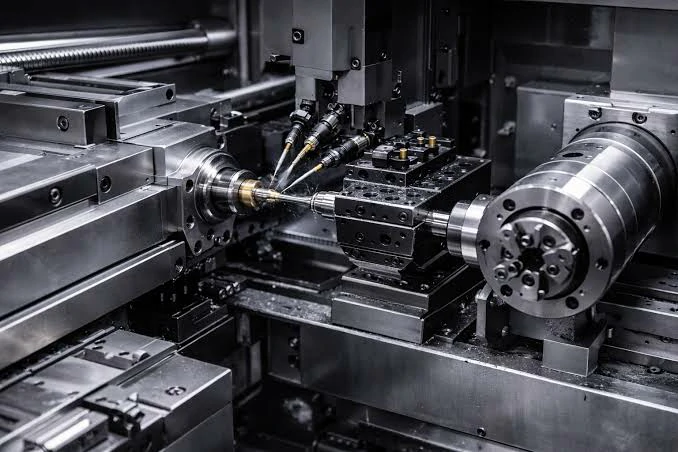
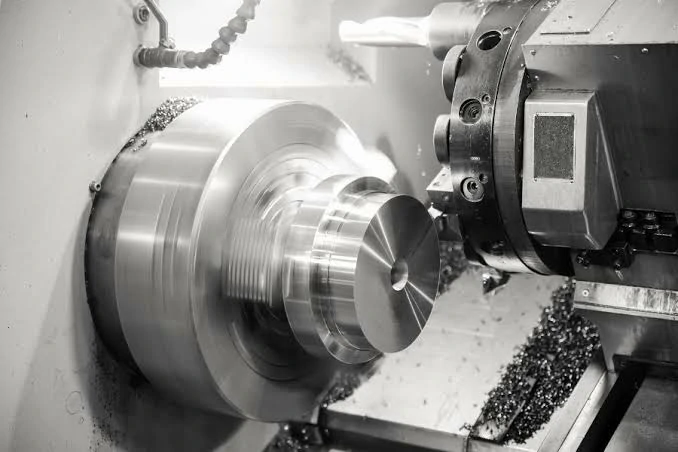
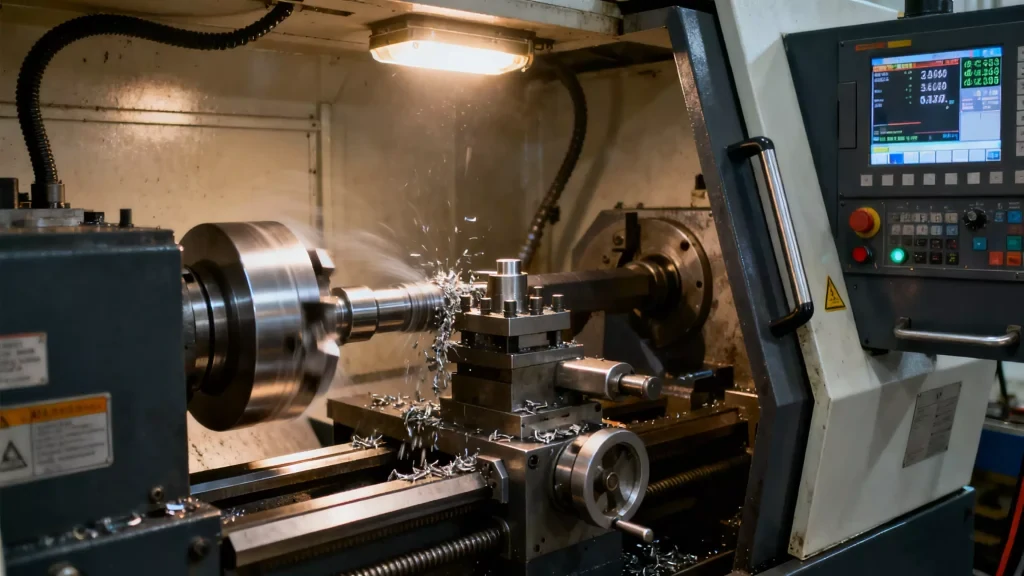
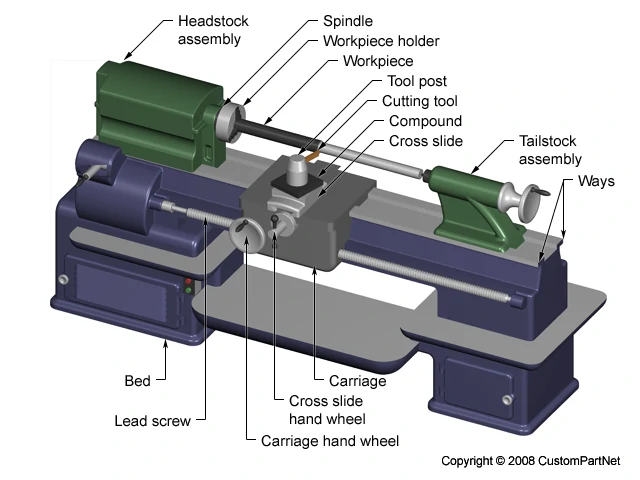
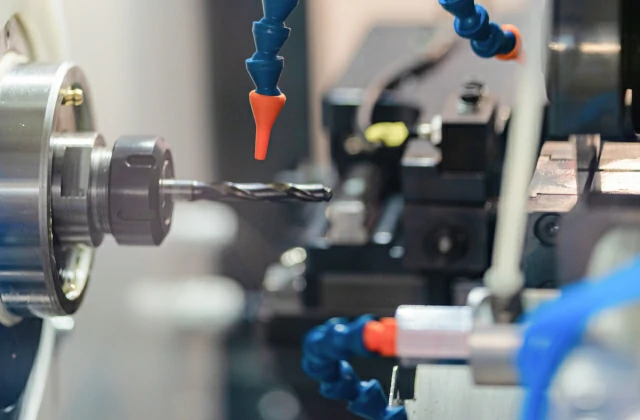
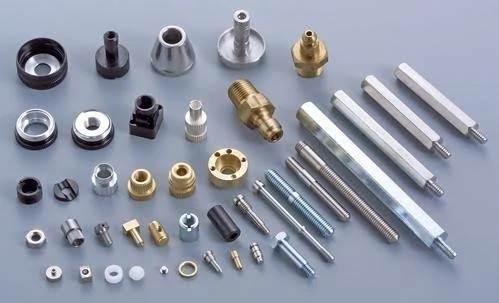
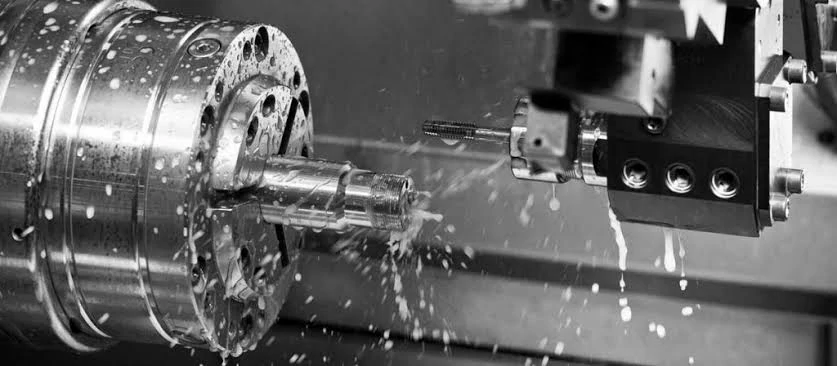
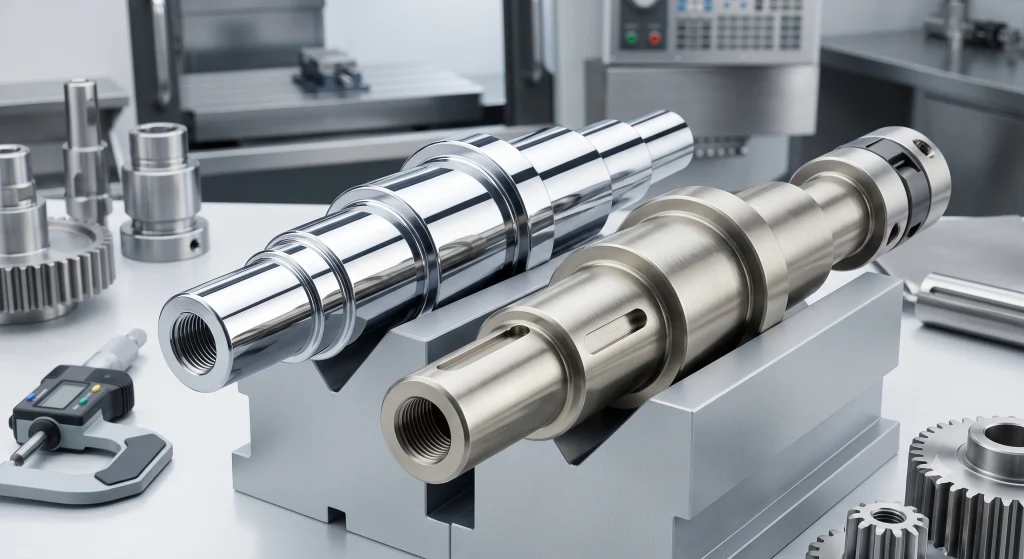
CNC Turning (Computer Numerical Control Turning) is a subtractive manufacturing process in which a raw material bar—typically metal or plastic—is held in a chuck and rotated at high speeds while a stationary cutting tool removes material to forge precise cylindrical, conical, or round components.
Modern CNC turning utilizes advanced multi-axis lathes, live tooling, and Swiss-type machining centers to perform turning, facing, threading, boring, and cross-drilling in a single setup. Achieving extreme accuracy with tolerances down to ±0.005 mm, CNC turning is the gold standard for producing high-precision shafts, bushings, fasteners, and intricate rotational parts for aerospace, medical, automotive, and electronics industries. At WEHAO CNC, we blend state-of-the-art turning technology with expert engineering to deliver fast prototypes and scalable OEM production at competitive factory-direct costs.
Precision CNC Turning Capabilities at WEHAO
At WEHAO CNC, we deliver custom CNC turning services for high-complexity parts, from rapid prototypes to high-volume production.
Extreme Precision: Tolerances down to ±0.005 mm and diameters up to 500 mm using advanced multi-axis and Swiss-type lathes.
Versatile Materials: Expert machining of metals (Aluminum, Stainless Steel, Titanium, Brass) and engineering plastics (POM, PEEK, Nylon).
One-Stop Production: Seamless delivery with 100% CMM inspection and comprehensive surface finishes (anodizing, plating, etc.).
Core CNC Turning Processes
WEHAO CNC utilizes foundational turning processes—controlling tool movement, spindle speed, and feed rates—to fabricate diverse geometries on rotational parts.
Straight Turning: Reduces the outer diameter uniformly to produce precise cylindrical shapes, such as shafts, pins, and guide rods.
Taper Turning: Alters the diameter at an angle to create conical profiles, which is essential for manufacturing tapered shafts and nozzles.
Facing: Removes material from the end face to establish a flat, perpendicular reference surface and trim parts to exact lengths.
Threading: Cuts precise helical grooves for external (screws) or internal (nuts) threads, matching global UN, Metric, and NPT standards.
Grooving & Parting Off: Grooving creates narrow channels or O-ring slots, while parting off cleanly severs the finished component with minimal material waste.
CNC Turning Materials
Plastic
PC
Polycarbonate is a highly durable and transparent material known for its excellent shock resistance. Used with bulletproof glass and safety equipment, it can withstand a blow without breaking.
PMMA
PMMA (acrylic) is a transparent, weather-resistant material that doesn’t fade over time. It is perfect for outdoor signage, displays, and lighting, as it effectively withstands the elements.
ABS
ABS is a durable, heat-resistant and shock-resistant plastic. Its lightweight nature and ease of fabrication make it ideal for automotive components and consumer products that require toughness without high cost.
POM
POM features high hardness, low friction coefficient and excellent dimensional stability. It is widely machined into gears, bearings and precision mechanical fittings, suitable for parts demanding wear resistance and smooth transmission.
PA66
PA66 boasts great mechanical strength, abrasion resistance and oil resistance. CNC machined nylon parts are commonly applied in structural parts, fasteners and mechanical wear parts with certain load bearing requirements.
PEEK
PEEK is a high-performance engineering plastic with great heat and corrosion resistance. It is precision CNC machined for medical, aerospace and high-strength industrial parts.
PVC
PVC has good acid and alkali corrosion resistance and low cost. It is often CNC cut and milled into anti-corrosion equipment accessories, piping fittings and chemical industry fixture parts.
PP
PP is lightweight, resistant to fatigue and chemical erosion. It is easy to CNC machining for food-grade fixtures, equipment housings and anti-corrosion structural parts with low load.
PET
PET has stable size, good rigidity and wear resistance. It is frequently CNC manufactured into jigs, positioning fixtures and insulating parts for automation equipment.
Metal
Aluminum
Aluminum is lightweight, easy to machine and anti-corrosive. It is widely used for equipment shells, fixture jigs and mechanical structural parts with low weight requirements.
Stainless Steel
Stainless steel offers excellent rust resistance and hardness. It is commonly CNC machined into hardware parts, medical fittings and corrosion-proof mechanical components.
Copper
Copper has great electrical and thermal conductivity. It is perfect for heat sinks, conductive terminals and electrical precision parts.
Brass
Brass features good machinability and wear resistance. It is ideal for valve fittings, threaded connectors and decorative precision hardware.
Cast Iron
Cast iron has strong vibration damping and wear resistance. It is mostly made into machine tool bases, equipment frames and heavy-duty fixture platforms.
Titanium Alloy
Titanium alloy is lightweight yet extremely strong and corrosion-resistant. It is applied in aerospace parts, medical implants and high-end precision components.
Magnesium Alloy
Magnesium alloy has ultra-low density and easy processing performance. It is used for electronic product housings and lightweight aerospace structural parts.
Carbon Steel
Carbon steel boasts high tensile strength and low cost. It is suitable for shafts, molds and structural parts that need high rigidity.
How to Order Custom CNC Turning Parts
Submit Your Drawings & Specifications
Send Us Drawings & Requirements Upload STEP/IGS/DXF CAD files, mark material, tolerance, surface finish, quantity and usage industry.
Technical Review & Formal Quotation
Technical Evaluation & Quotation Our engineer reviews your design within 12 working hours, check machining feasibility and send formal quotation with detailed cost breakdown.
Prototype Sample Validation
Sample Confirmation (Optional) Make prototype samples for complex parts; adjust dimensions or surface treatment per your feedback.
Consistent Mass Manufacturing
Mass Production Start bulk manufacturing with fixed processing fixture to guarantee consistency.
Strict Full-Range Quality Testing
Full Quality Inspection All parts inspected by caliper, micrometer and CMM coordinate measuring machine, provide inspection report on request.
Secure Packaging & Global Delivery
Packing & Shipment Anti-scratch foam packaging, support DHL/Fedex/sea freight, full export documents provided.
With over ten different surface finishes available, our extensive selection enables you to find the perfect finish for your project, enhancing both aesthetics and functionality. Whatever your vision may be, we have the expertise to bring it to life.
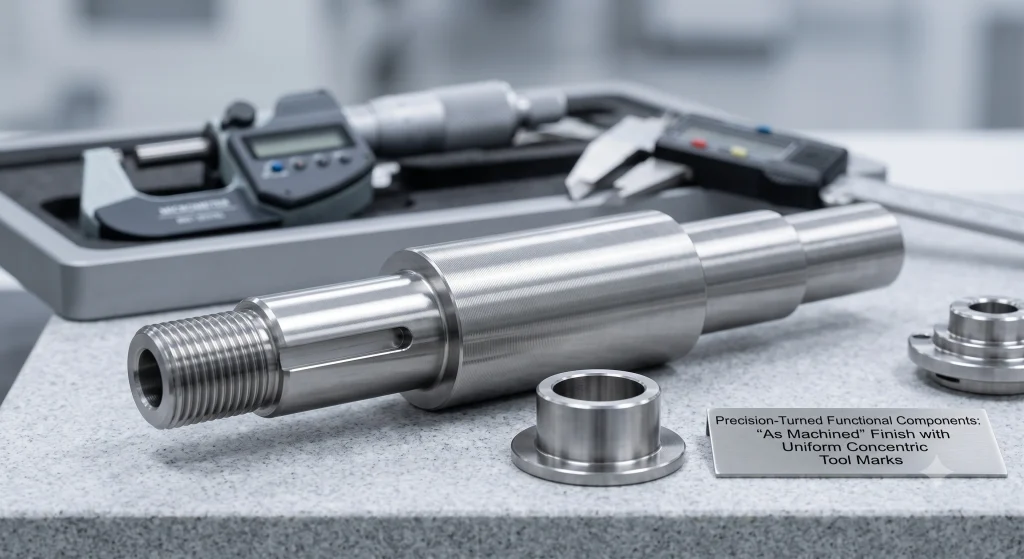
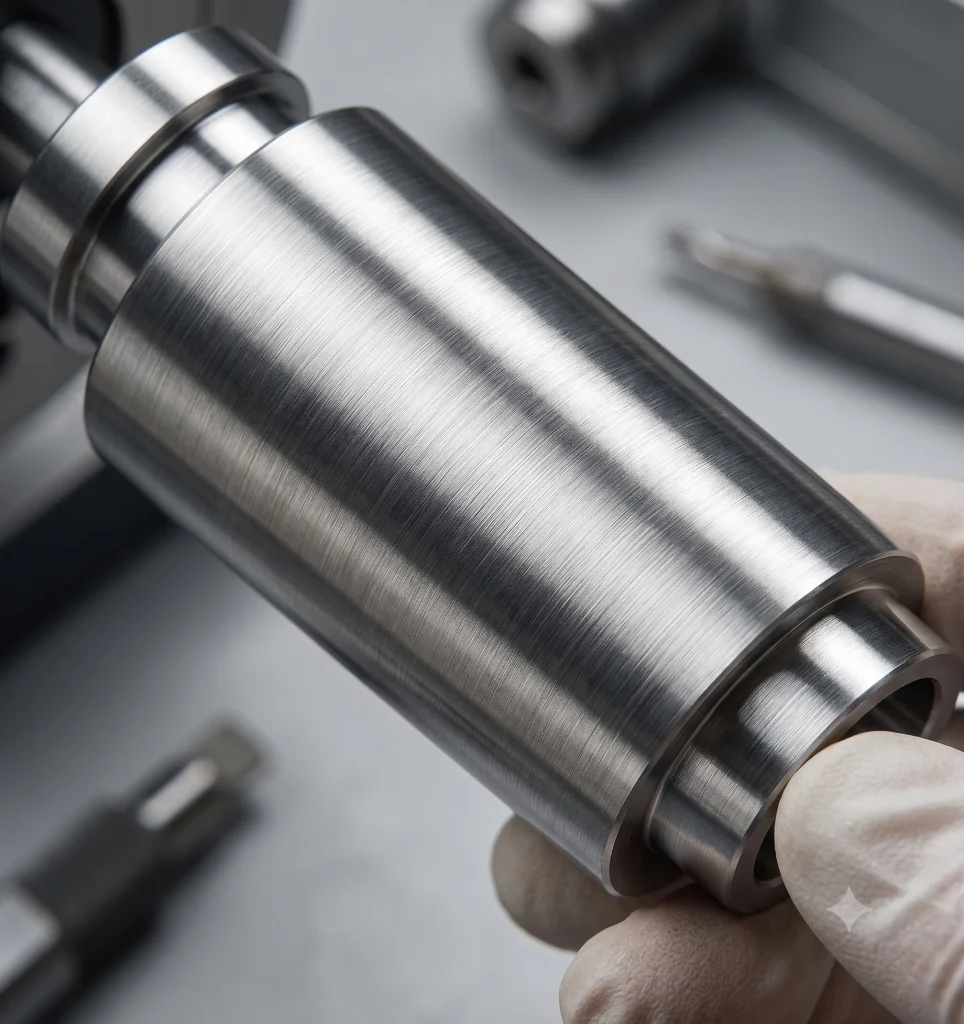
As Machined
Finishing Method: High-Precision CNC Turning Process
Description: The smooth cylindrical or outer-diameter surface finish directly achieved after turning, featuring uniform concentric tool marks.
Key Advantages: Excellent dimensional accuracy and concentricity, ideal for cost-effective functional shafts, bushings, and round components.
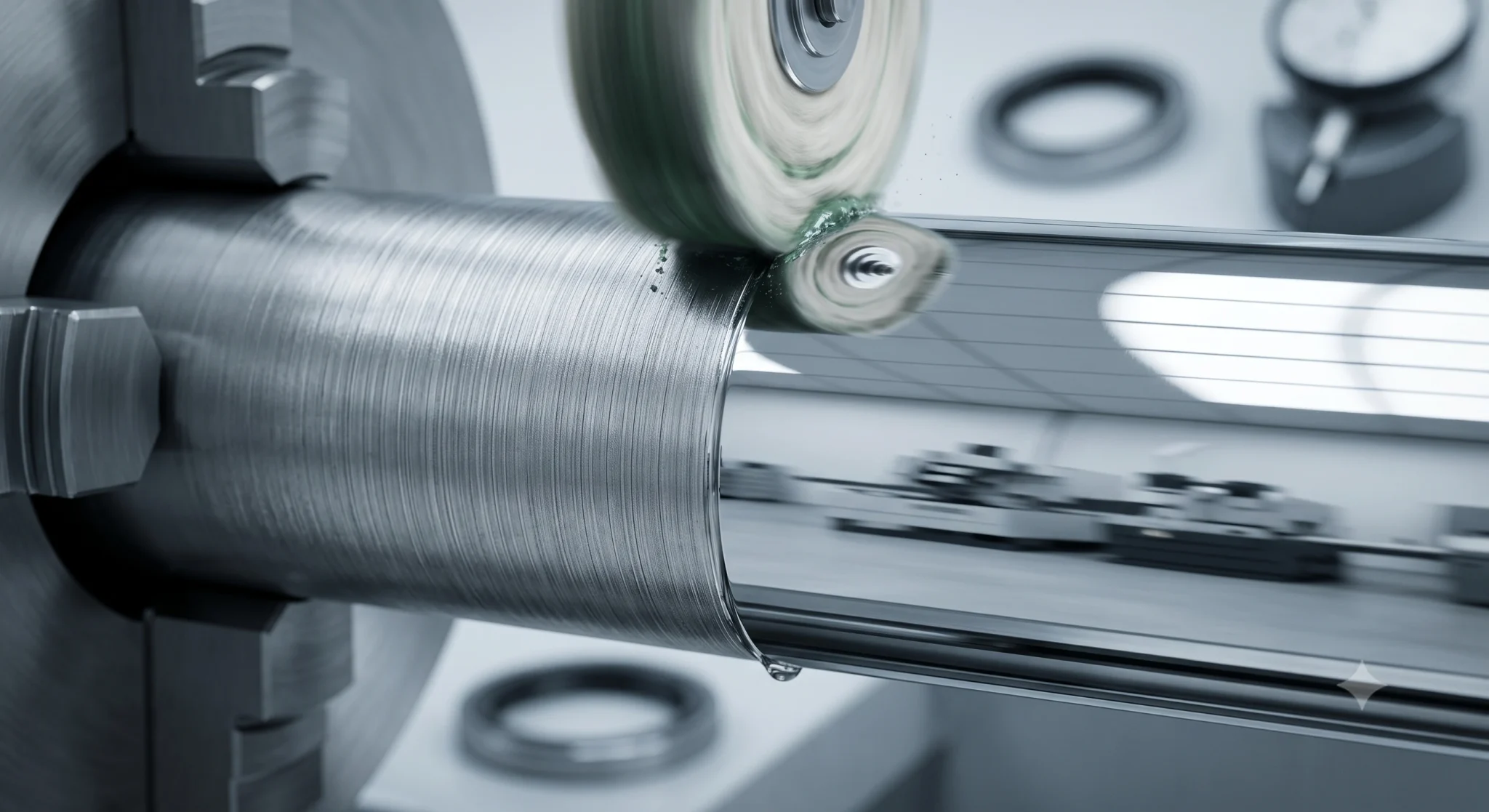
Description:Utilizes high-speed rotation and fine abrasives to eliminate turning lines on cylindrical surfaces, achieving a mirror-like finish.
Key Advantages: Reduces surface friction, enhances sealing capabilities for shafts and bearings, and provides a premium reflective look.
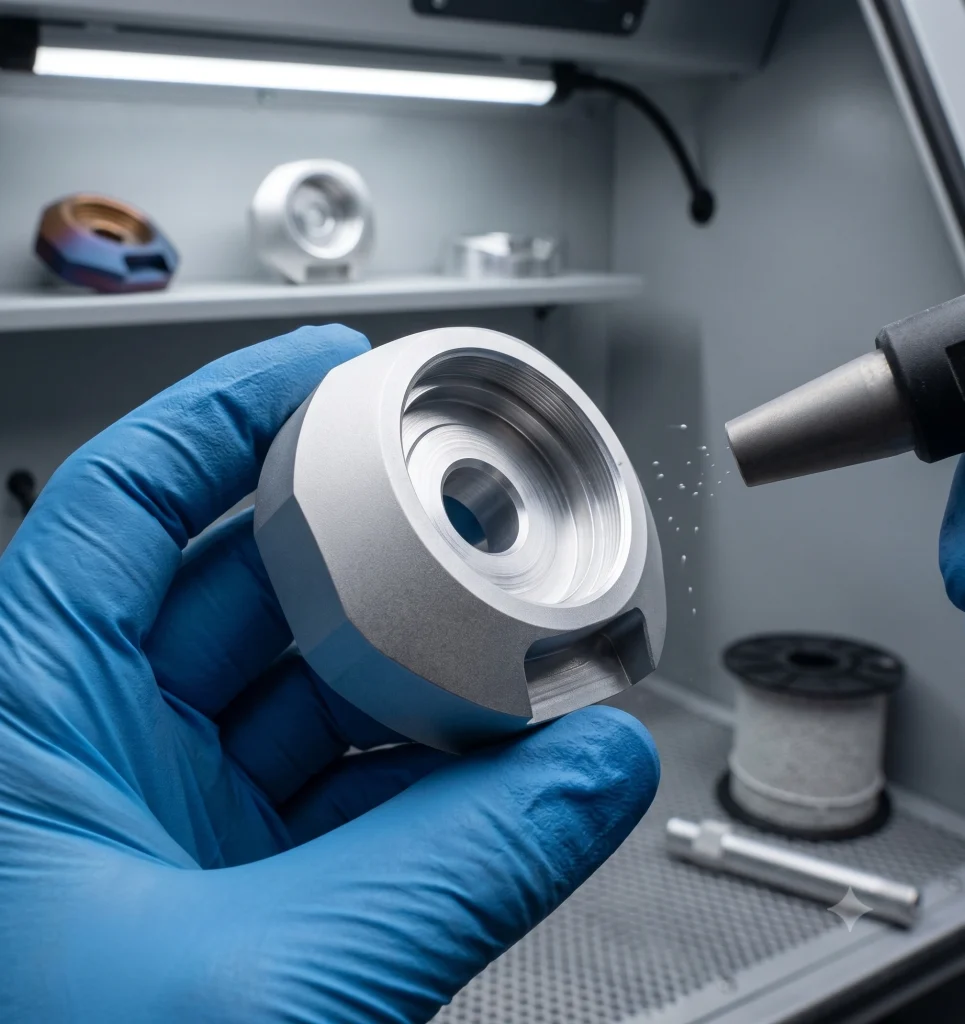
Sand Blasting
Finishing Method: Abrasive Media Blasting
Description: High-pressure airflow propels fine glass or ceramic beads onto turned parts to remove fine circumferential tool marks and yield an even matte texture.
Key Advantages: Creates a non-reflective frosted surface, hides minor handling marks, and significantly improves coating or anodizing adhesion.
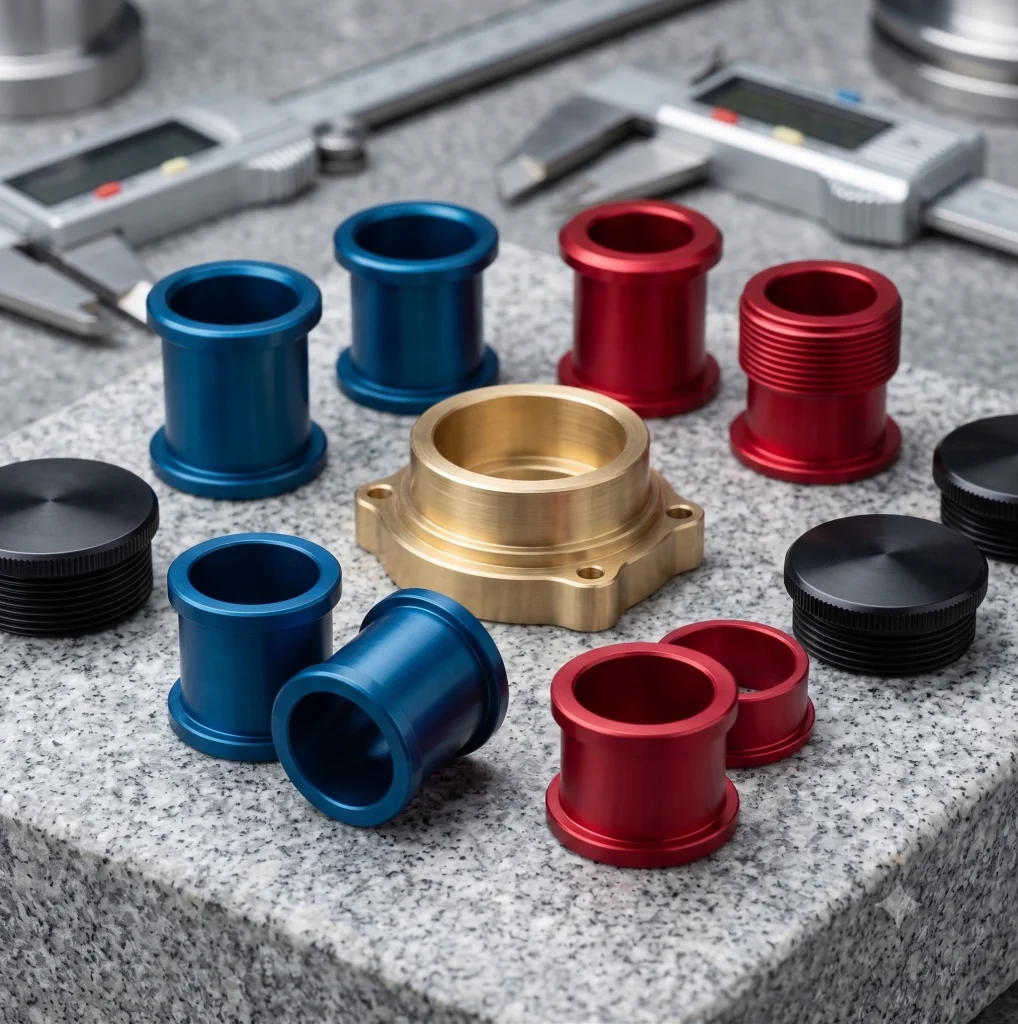
Anodizing
Finishing Method: Electrochemical Oxidation
Description: Forms a durable aluminum oxide protective layer on turned aluminum parts (bushings, housings, caps), with options for rich color dyeing.
Key Advantages: Exceptional corrosion and wear resistance without altering critical tight shaft tolerances; wide range of aesthetic colors.
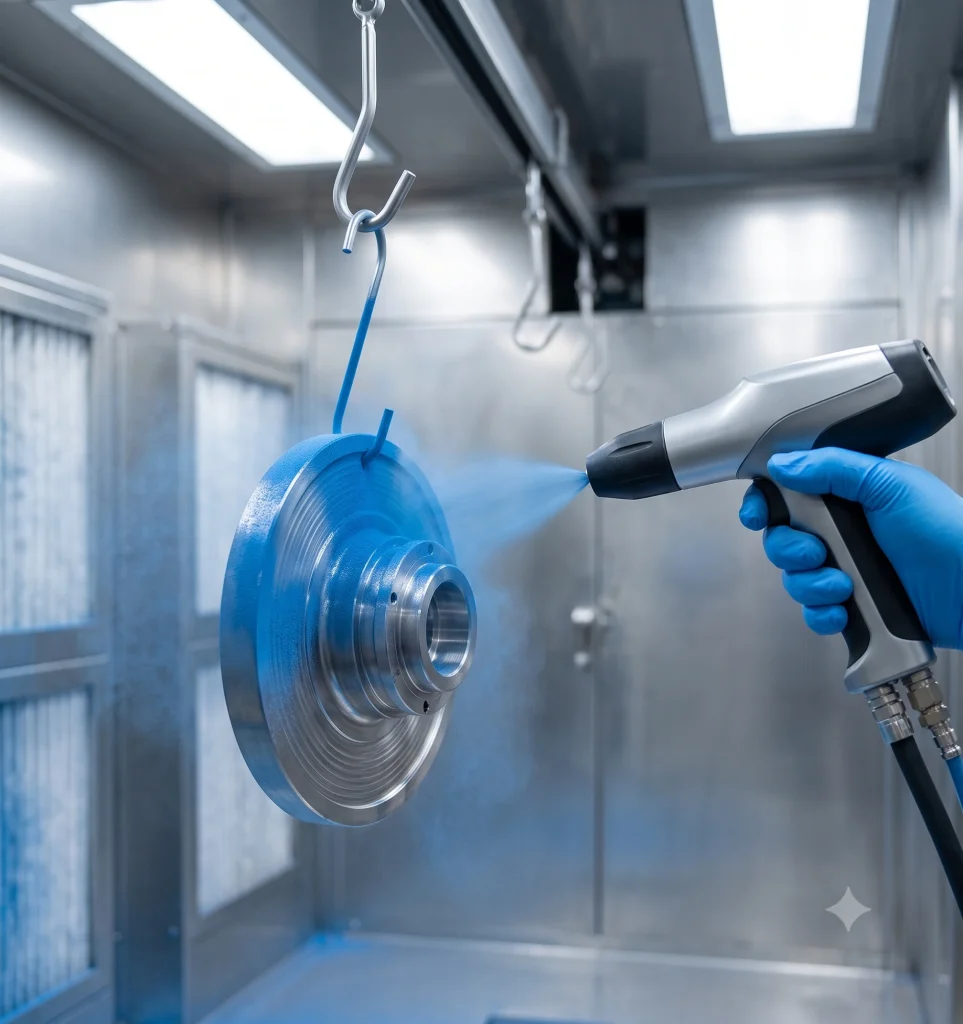
Description:Applies protective dry powder electrostatically onto turned components, followed by heat curing into a tough protective layer.
Key Advantages: Superior impact and scratch resistance, thick protective barrier for outdoor machinery parts, available in glossy or matte finishes.
Chrome/Nickel Plating
Finishing Method: Electroplating Deposition
Description: Electrochemically deposits a layer of hard chrome, electroless nickel, or zinc onto turned steel or brass parts.
Key Advantages: Extremely high surface hardness, reduced coefficient of friction for rotating shafts, and outstanding rust prevention.
Brushing / Wire Drawing
Finishing Method: Rotary / Linear Abrasive Wire Drawing
Description: Creates fine, uniform directional brushed grain patterns along or around turned cylindrical surfaces.
Key Advantages: Delivers an elegant satin metallic texture, minimizes visible fingerprints, and hides minor surface wear.
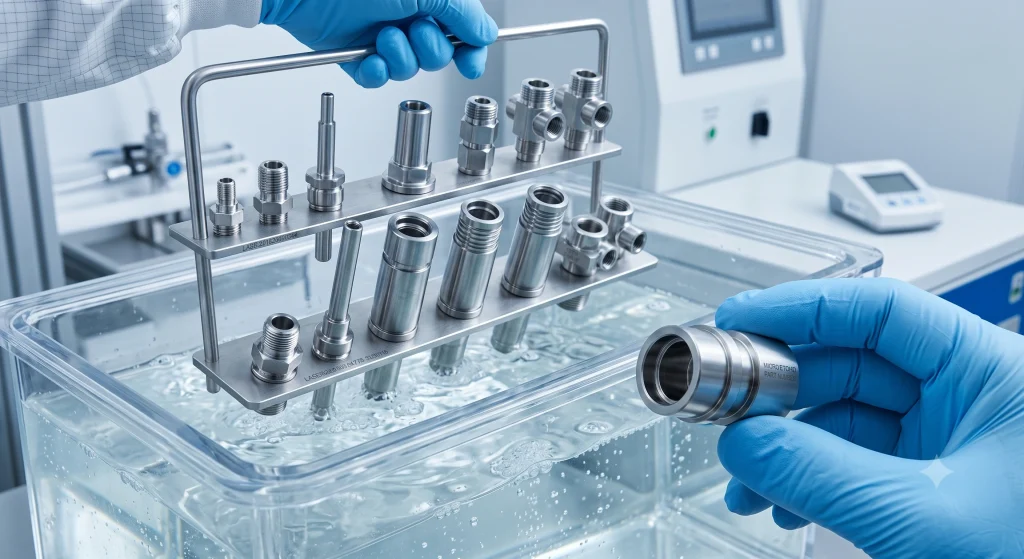
Passivation
Finishing Method: Chemical Immersion Acid Treatment
Description:Removes free iron contaminants from turned stainless steel shafts and fittings, promoting the formation of a passive anti-corrosion oxide layer.
Key Advantages:Zero dimensional change, crucial for maintaining micro-inch tolerances on precision medical and aerospace turned components.
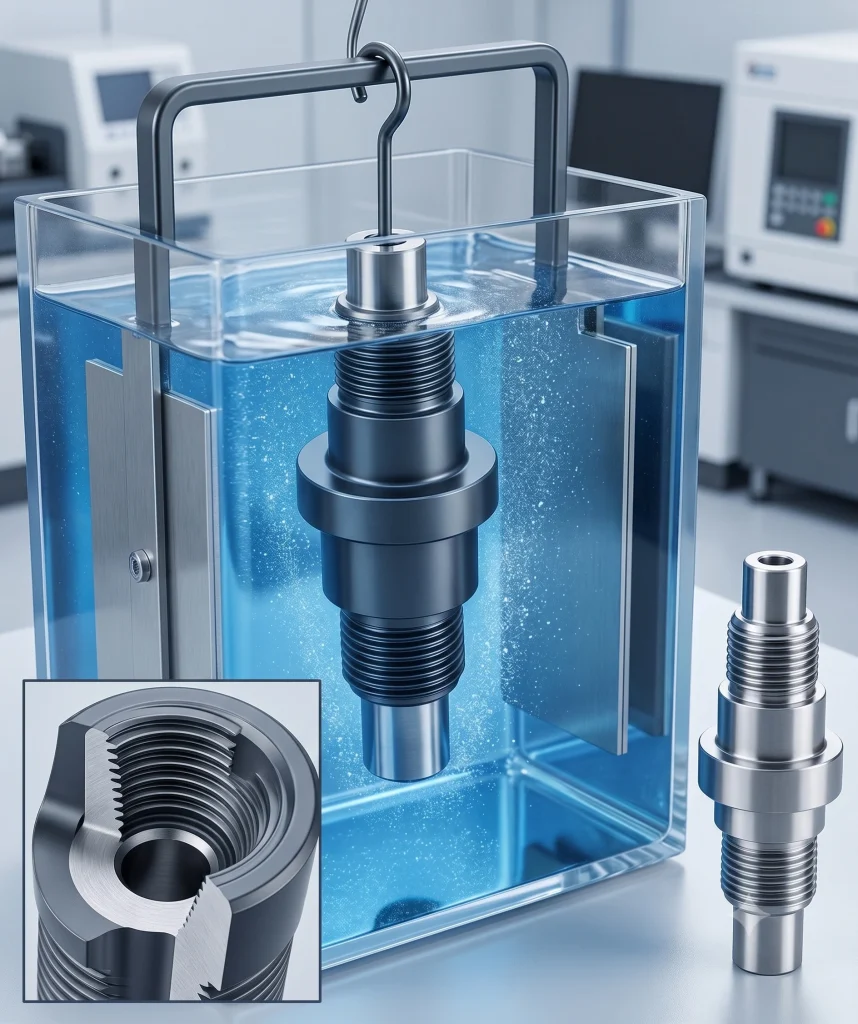
Description: Turned parts are submerged in an electro-deposition bath, using electric currents to deposit an ultra-thin, completely even protective layer over all external diameters, threads, and internal bores.
Key Advantages: Provides flawless, highly uniform film thickness on symmetrical turned parts; excellent corrosion resistance without affecting tight dimensional fits or internal thread pitch tolerances.
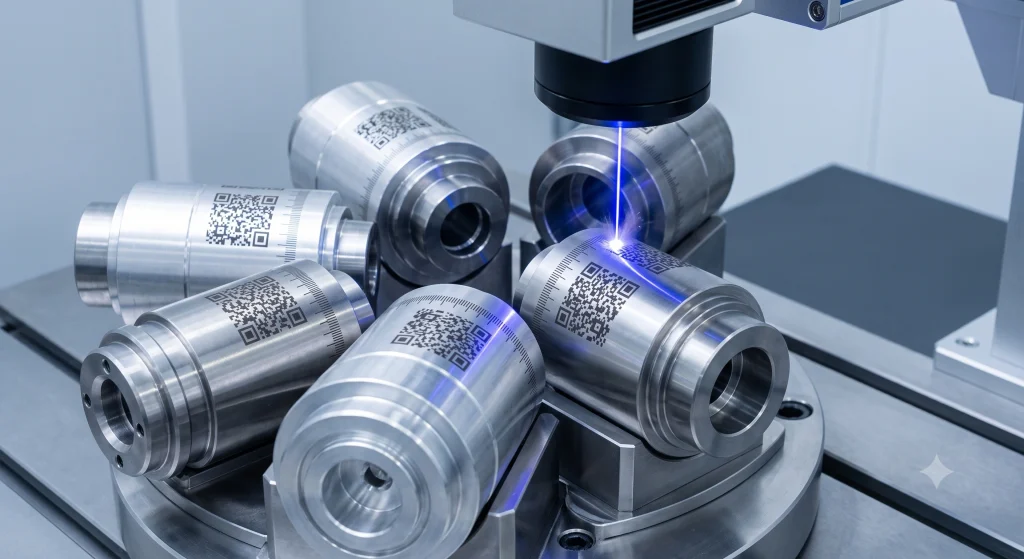
Description: High-precision laser beams etch logos, serial numbers, QR codes, or scale marks around the circumference or flat end-faces of turned components.
Key Advantages: Permanent and non-contact marking that causes zero structural deformation; ideal for circular scale graduation, part traceability, and branding on cylindrical surfaces.
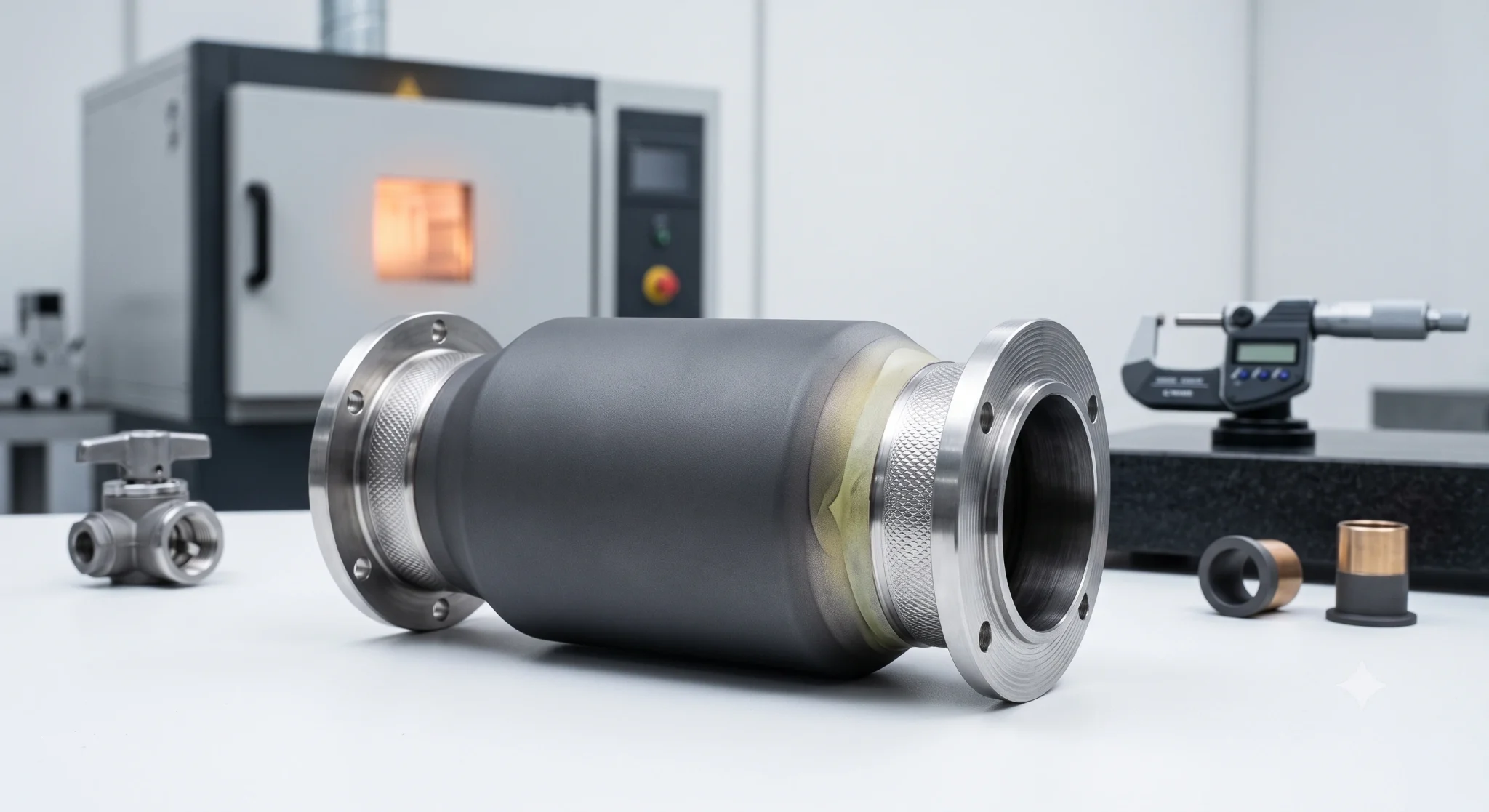
Description: Advanced thin-film ceramic spray applied to turned components (such as exhaust sleeves, rotary valves, and bushings), followed by thermal curing.
Key Advantages: Superior heat resistance (up to 1000°C+/1800°F+), extreme hardness, and outstanding chemical resistance with minimal weight added to rotating parts.
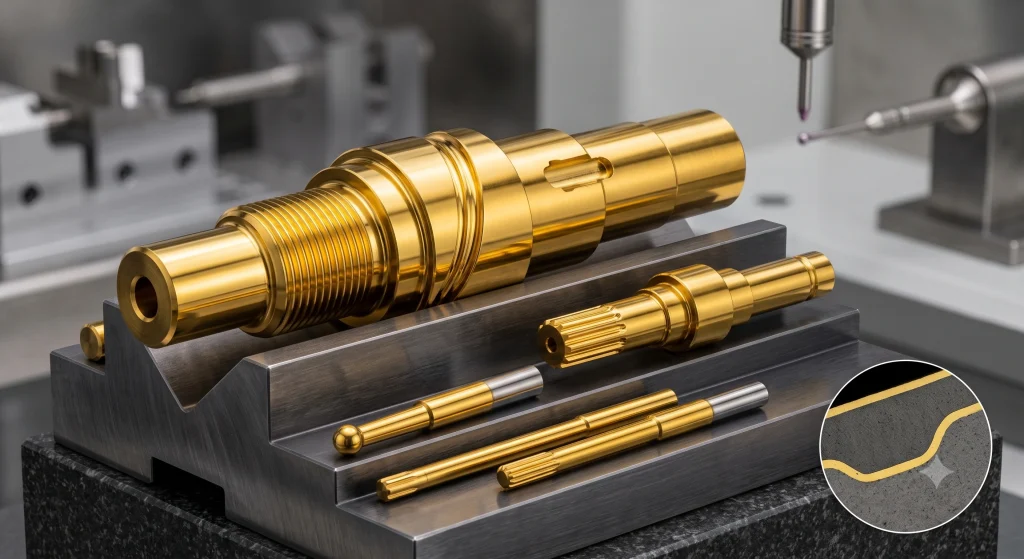
Description:Vacuum physical vapor deposition of a hard, metallic-gold Titanium Nitride layer onto high-precision turned steel, titanium, or carbide shafts and pins.
Key Advantages: Extreme surface hardness (up to 80–85 HRC equivalent), ultra-low friction coefficient, drastically reducing wear on high-speed rotating and reciprocating precision components.
Frequently Asked Questions
1.What is the maximum precision tolerance WEHAO can achieve for CNC turned parts?
At WEHAO CNC, our state-of-the-art multi-axis turning centers and Swiss-type precision lathes can achieve tight manufacturing tolerances up to ±0.005 mm (±0.0002 in.). Every turned part undergoes strict 100% CMM dimensional inspection before shipment to ensure complete compliance with your engineering drawings.
2. What is the difference between CNC turning and CNC milling?
The primary difference lies in how the workpiece and cutting tools move. In CNC turning, the workpiece rotates rapidly while a stationary cutting tool shapes it (ideal for cylindrical parts, shafts, and threads). In CNC milling, the cutting tool rotates at high speeds while moving across a stationary workpiece (ideal for flat surfaces, slots, and complex 3D contours). WEHAO offers both processes, as well as live-tooling turn-mill solutions.
3. What materials can be processed using WEHAO’s CNC turning services?
WEHAO provides custom turning across a vast range of materials, including:
Engineering Plastics: POM (Delrin), PEEK, Nylon, PTFE (Teflon), and ABS.
4. What is the maximum turning diameter and length capacity at WEHAO?
Our heavy-duty CNC turning lathes can accommodate maximum workpiece diameters up to 500 mm (19.68 in.) and lengths up to 1000mm(39.37 in.), catering to both miniature Swiss-machined components and large-scale industrial turned shafts.
5. What is your standard lead time for CNC turned prototypes and production runs?
WEHAO offers rapid turnaround times to help you accelerate time-to-market:
Rapid Prototypes: Typically shipped within 3 to 5 business days.
Low-to-High Volume Production: Usually completed in 7 to 15 business days, depending on part complexity and required surface finishing.
Expedited 24-hour manufacturing options are available upon request.
6. How do I get an instant quote for my custom CNC turning project?
Simply upload your 2D/3D CAD drawings (acceptable formats: STEP, IGES, DWG, or PDF) via our online quote portal or email us directly at info@wehaocnc.com. Our engineering team will review your specs, material requirements, and tolerances, providing a competitive, factory-direct quote within 24 hours.
Ready to Start Your Project? Get an Instant Quote.