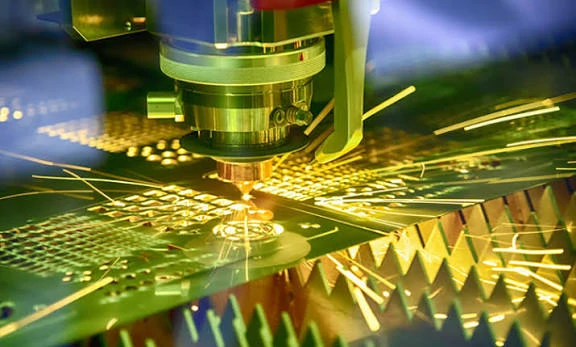
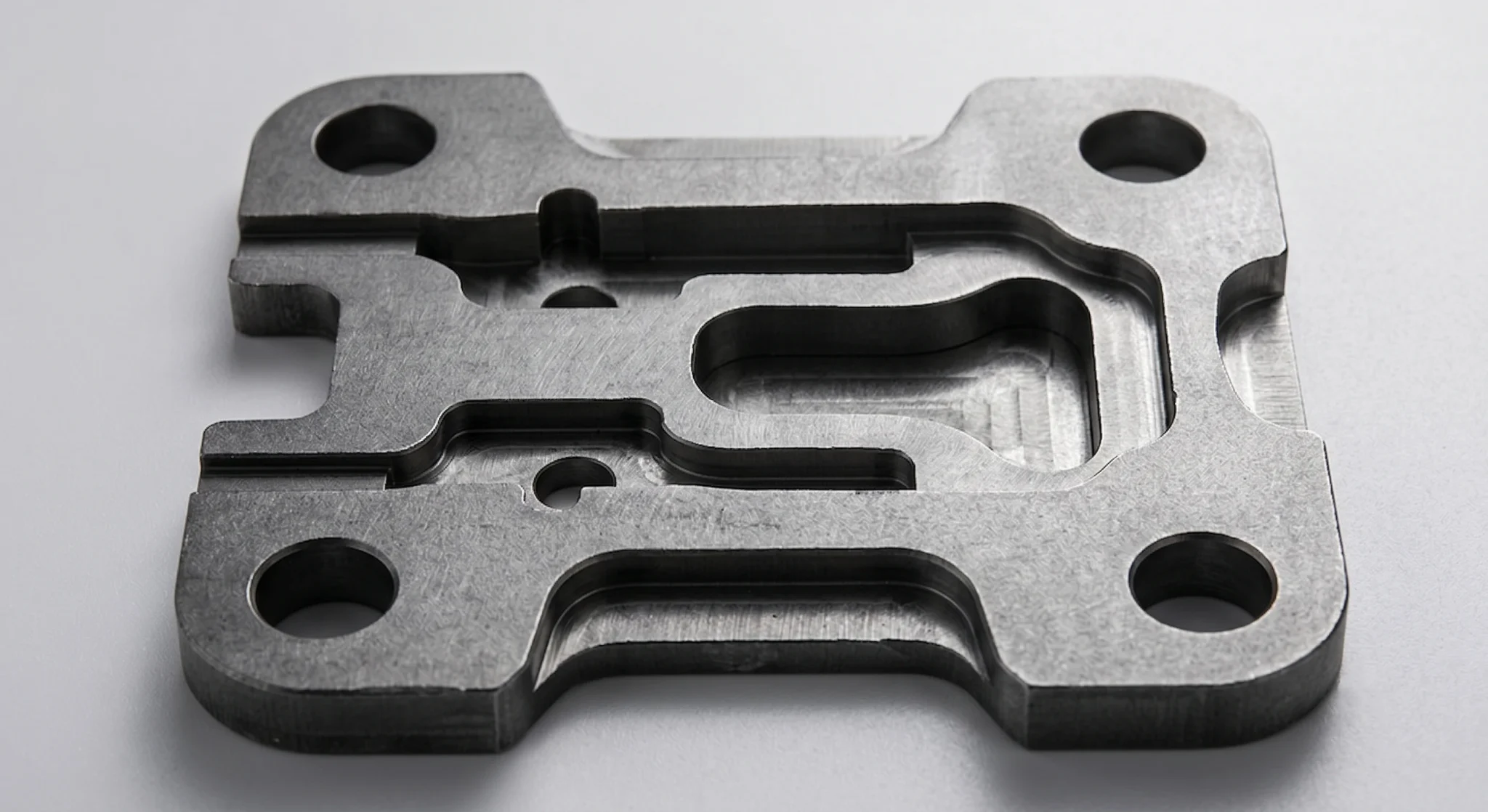
Equipped with high-power fiber laser machines optimized for reflective metals like aluminum and brass.
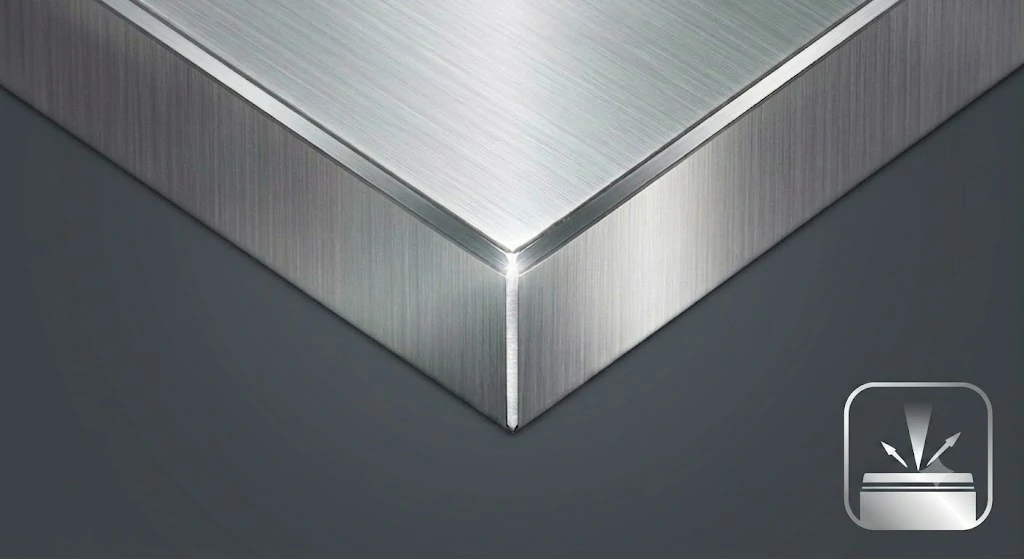
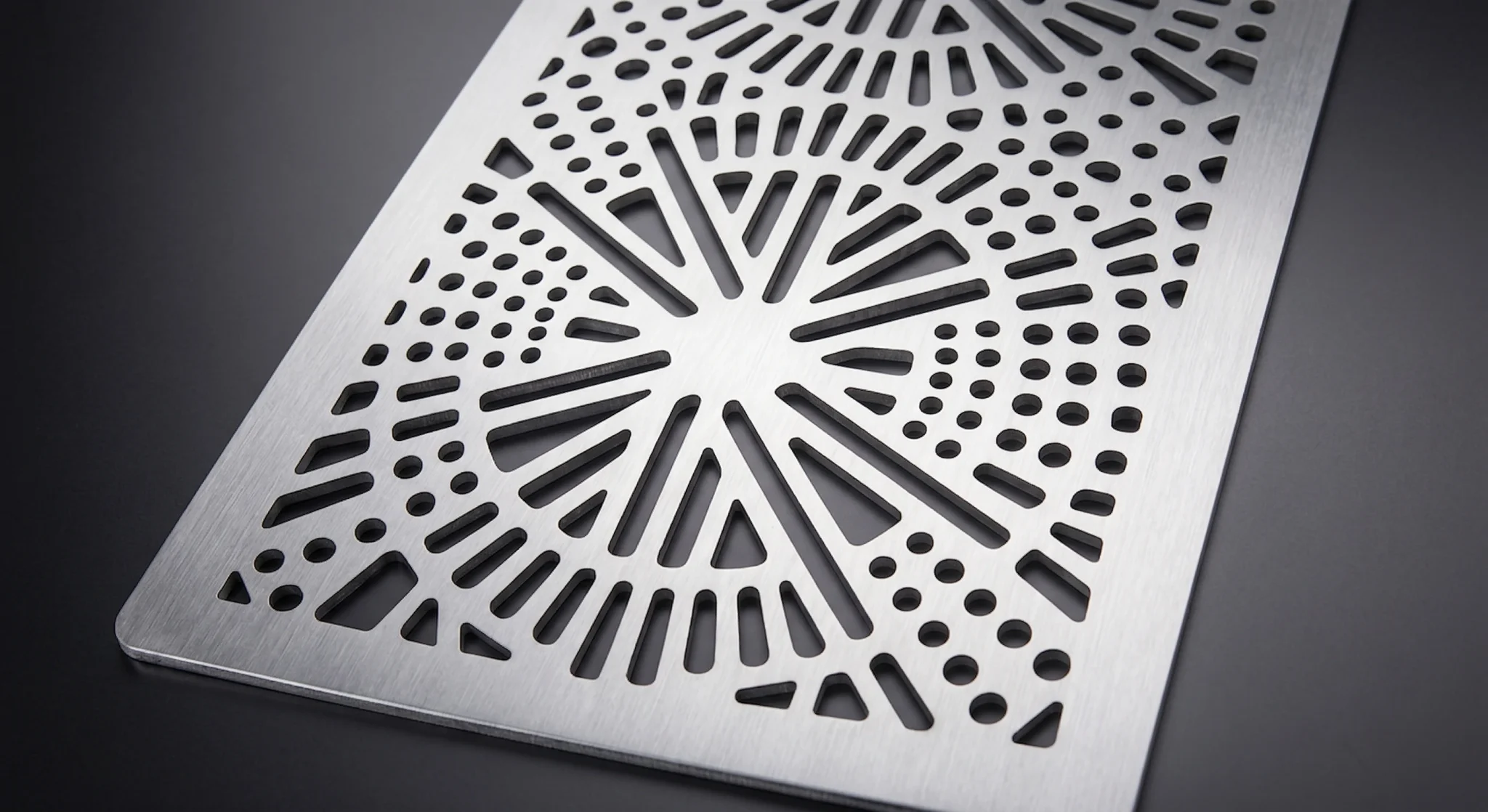
Zero Burr & Clean Edges
Nitrogen/Oxygen assist gases ensure smooth edge quality, eliminating the need for secondary deburring.
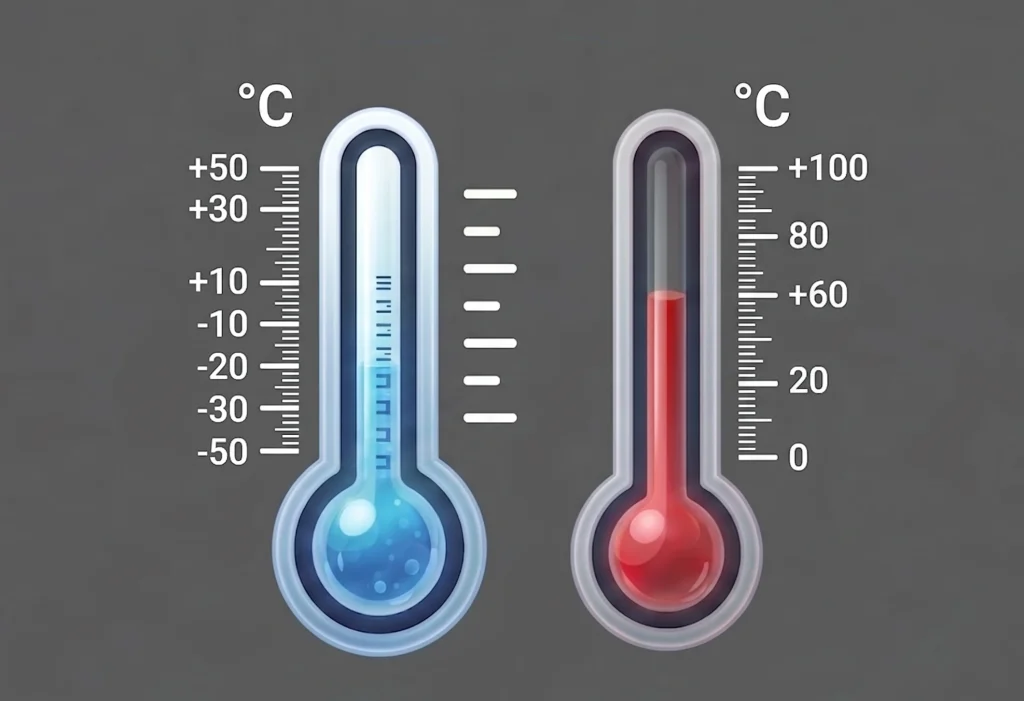
Minimal Heat-Affected Zone
Ultra-fast cutting speeds reduce thermal distortion, keeping your flat parts strictly flat.
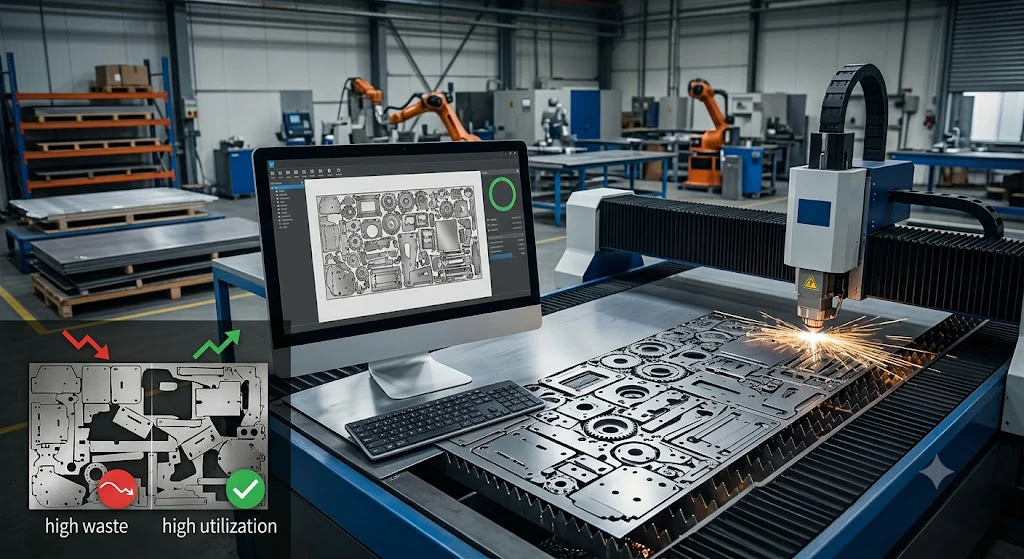
High Material Utilization
Advanced nesting software maximizes sheet yield, reducing your overall material costs.
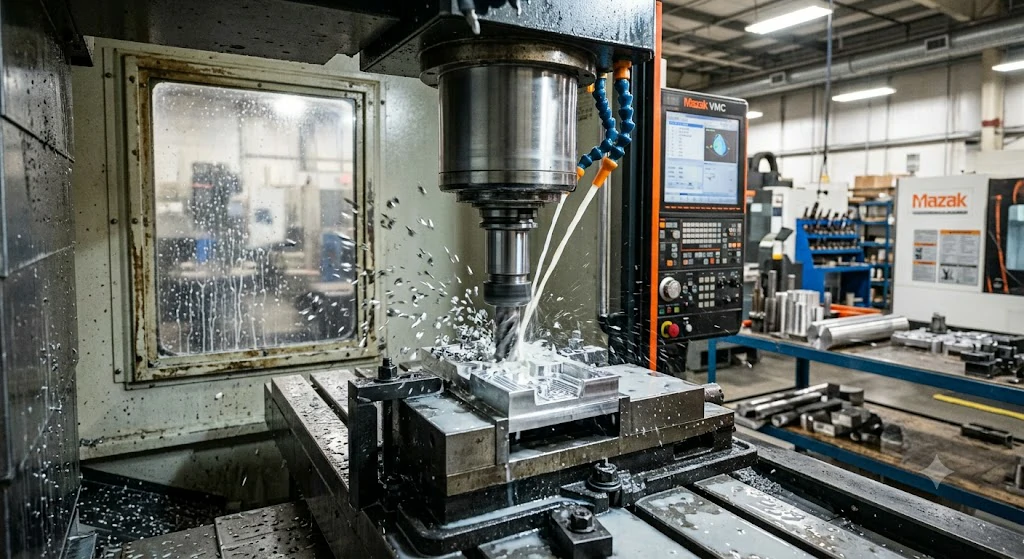
CNC Milling
Precision secondary operations. We effortlessly add complex features like tapped holes, countersinks, and tight-tolerance pockets to your laser-cut blanks.
Explore Surface Finishing
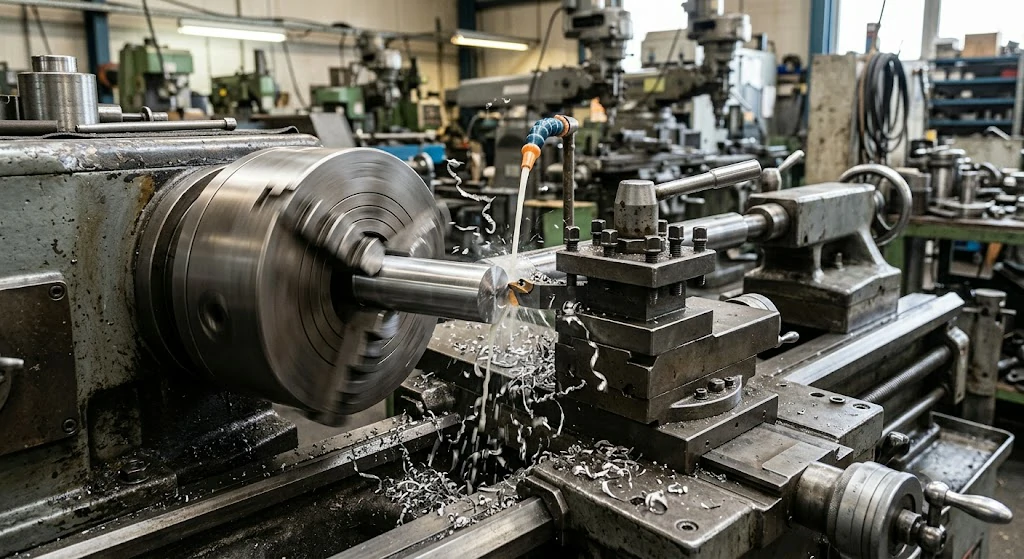
CNC Turning
High-accuracy lathe machining. Seamlessly integrate custom cylindrical components, precision threading, and tight-tolerance parts into your assemblies.
Explore Surface Finishing
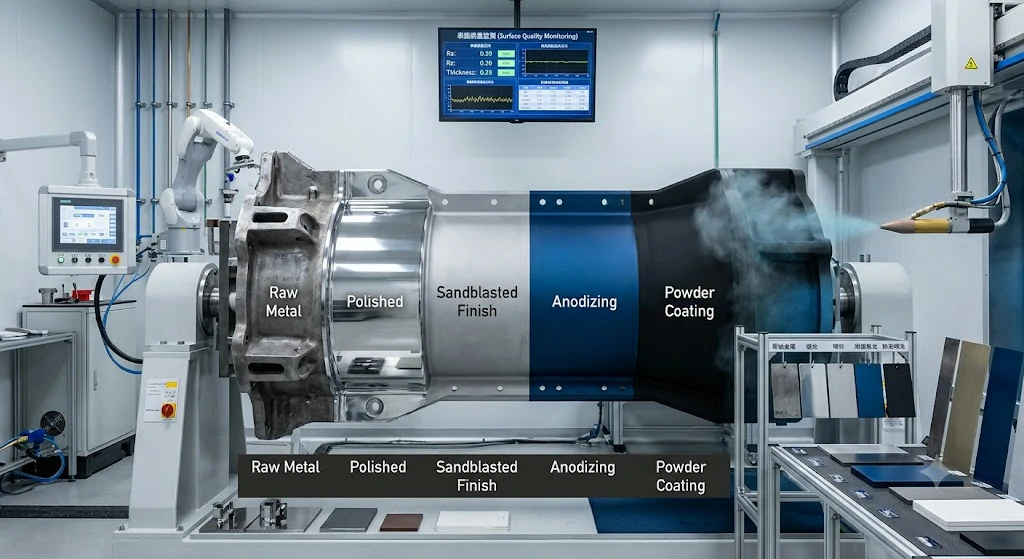
Surface Finishing
Ultimate protection and aesthetics. Elevate your final products with our premium anodizing, sandblasting, brushing, and durable powder coating options.Surface Finishing
Explore Surface Finishing
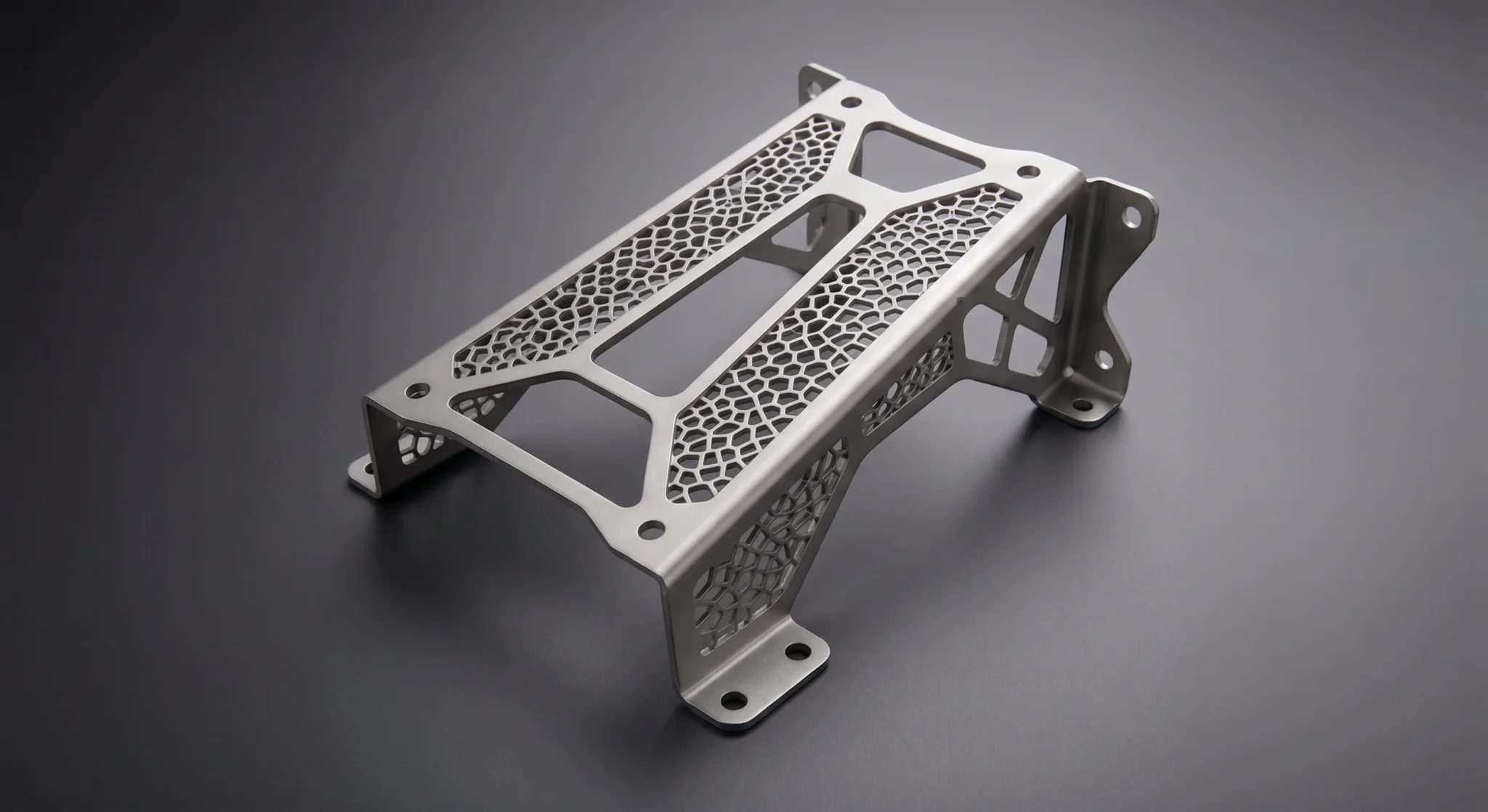
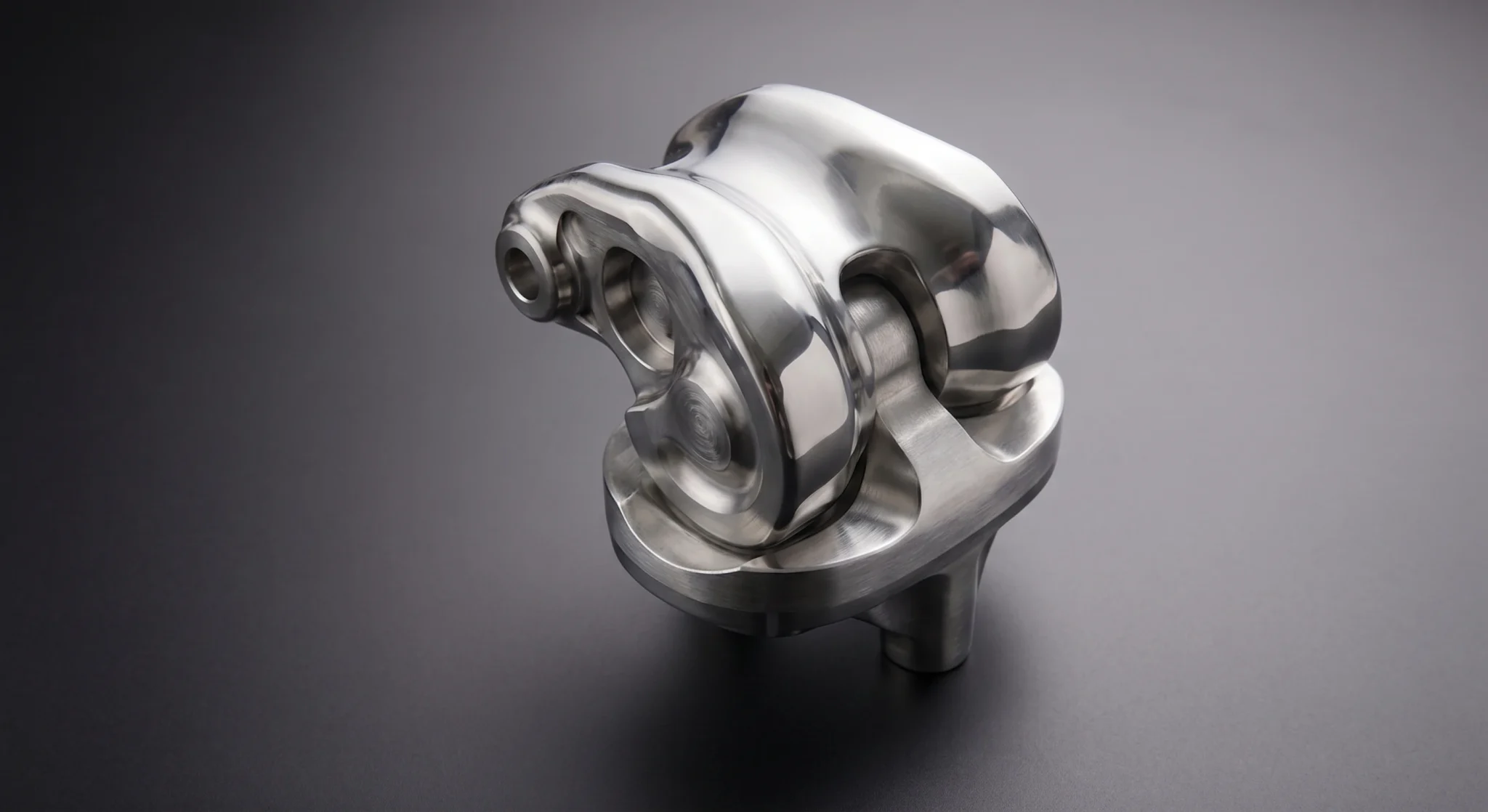
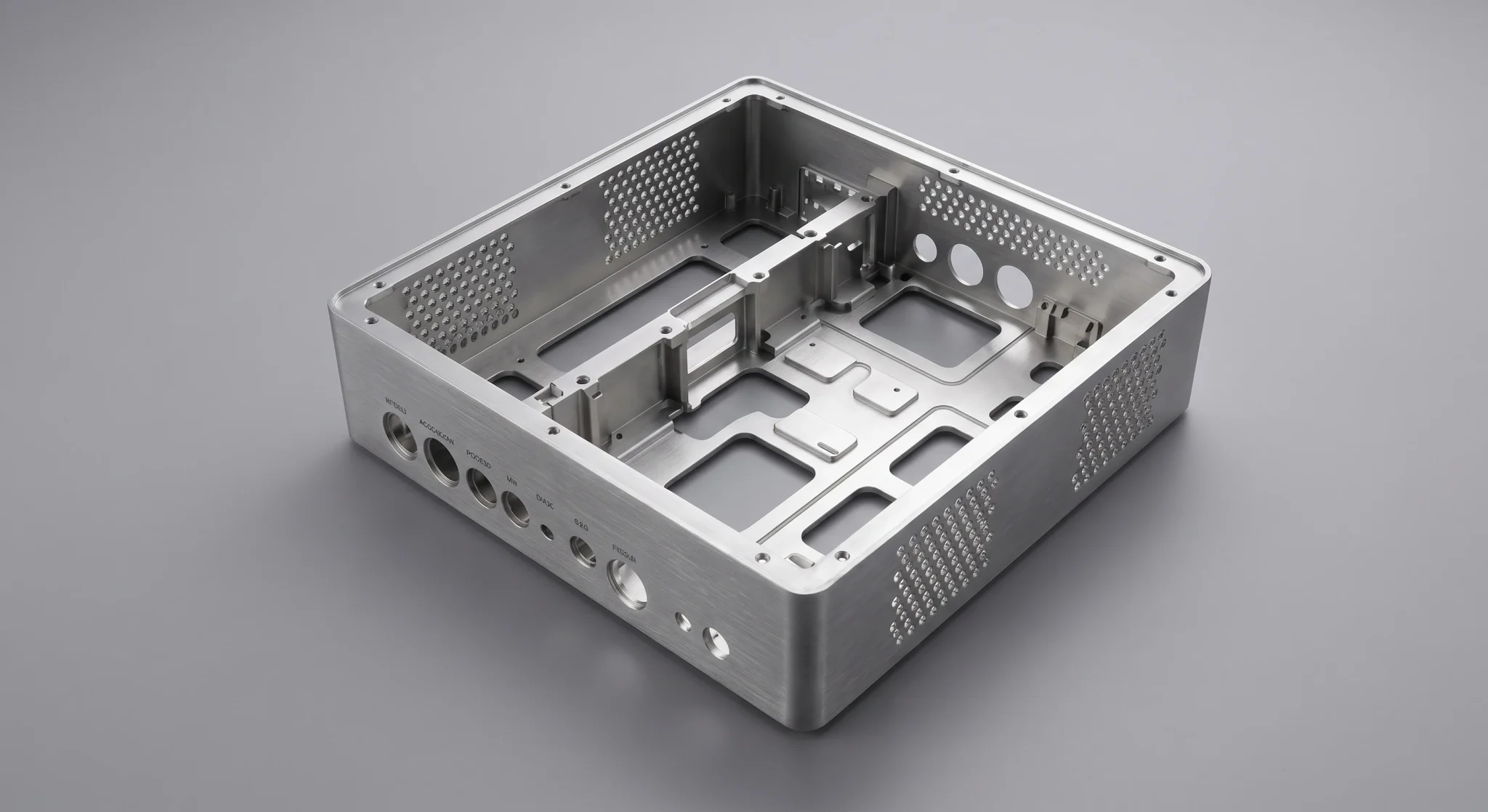
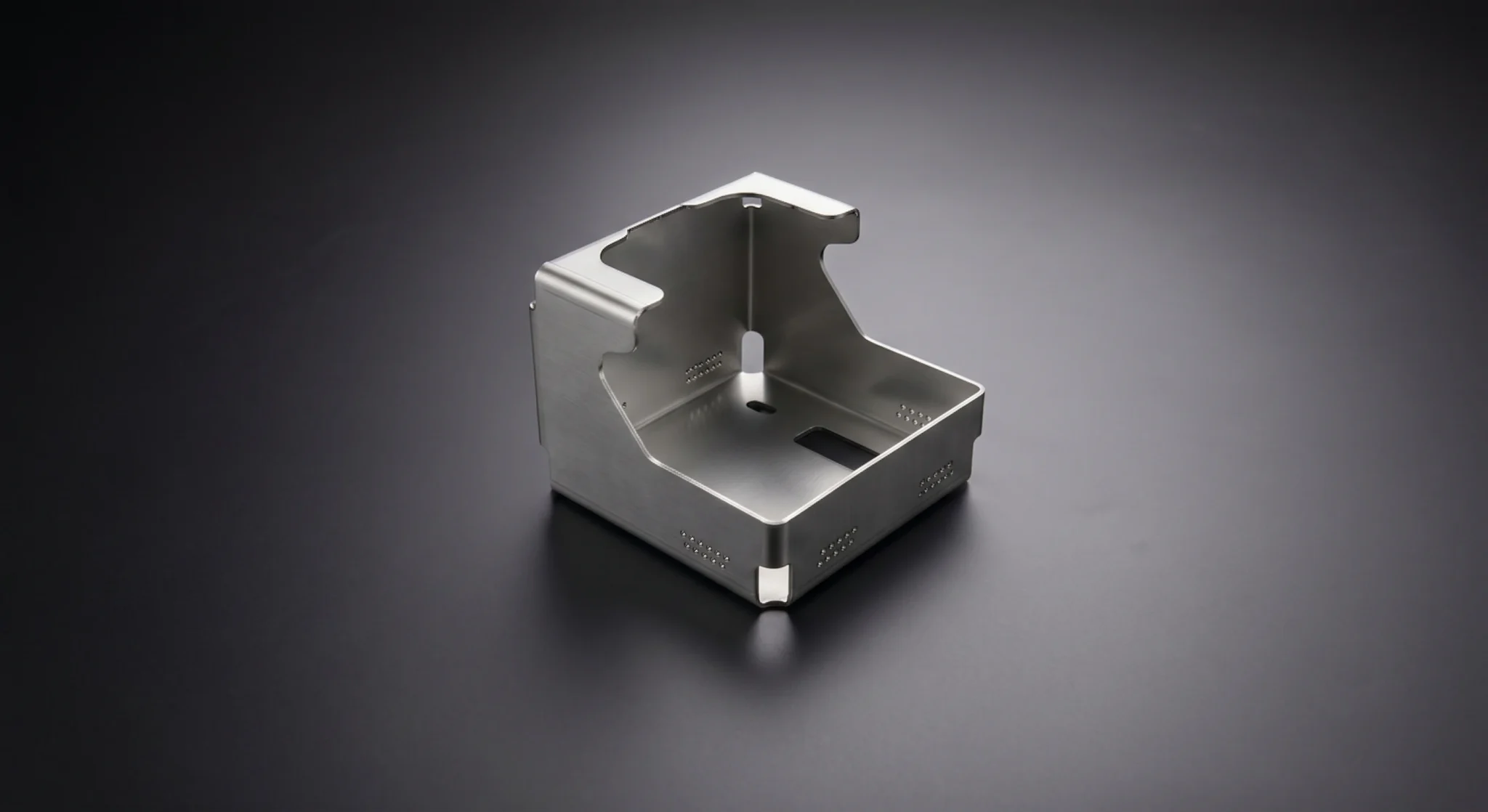
Examples of Our CNC Laser Cutting
Frequently Asked Questions
What is the typical kerf width of your laser cutters?
Our advanced fiber laser machines feature an ultra-fine kerf width, typically ranging from 0.1mm to 0.3mm depending on the material thickness. This extremely narrow cut allows us to achieve incredibly tight corner radii, intricate geometries, and maintain strict tolerances down to ±0.05mm.
Can you laser cut highly reflective metals like copper and brass?
Yes, absolutely. While traditional CO2 lasers struggle with highly reflective materials, our high-power fiber lasers are specifically engineered to cut Aluminum, Brass, and Copper flawlessly. We process these materials at high speeds with zero risk of back-reflection damage, ensuring a clean and precise edge every time.
Do I need to pay for tooling or setup fees?
No. Unlike traditional stamping or punching processes, CNC laser cutting requires zero physical tooling. This eliminates expensive tooling costs and drastically reduces setup times, making it the most cost-effective solution for both rapid prototyping and low-to-medium volume production.
Will the laser cutting process warp or distort my parts?
We tightly control the Heat-Affected Zone (HAZ). By utilizing ultra-fast fiber laser cutting speeds combined with optimal assist gases (Nitrogen or Oxygen), we minimize thermal transfer to the surrounding material. This ensures your sheet metal components—even very thin gauges—remain strictly flat and free from thermal distortion.
Do laser-cut parts require secondary deburring?
In most cases, no. We utilize high-purity Nitrogen as an assist gas when cutting stainless steel and aluminum. This produces a clean, oxide-free, and burr-free edge straight off the machine bed. Your parts are immediately ready for secondary operations like CNC machining, bending, welding, or surface finishing.
What file formats do you accept for laser cutting quotes?
For the fastest turnaround and most accurate nesting, we prefer 2D vector files such as .DXF or .DWG. We also accept 3D CAD models (.STEP, .IGES, .STL), which our CAM engineering team will expertly flatten and process using our advanced nesting software.